Blog
48–72 Hour Storage for Liquidation Inventory for Resellers

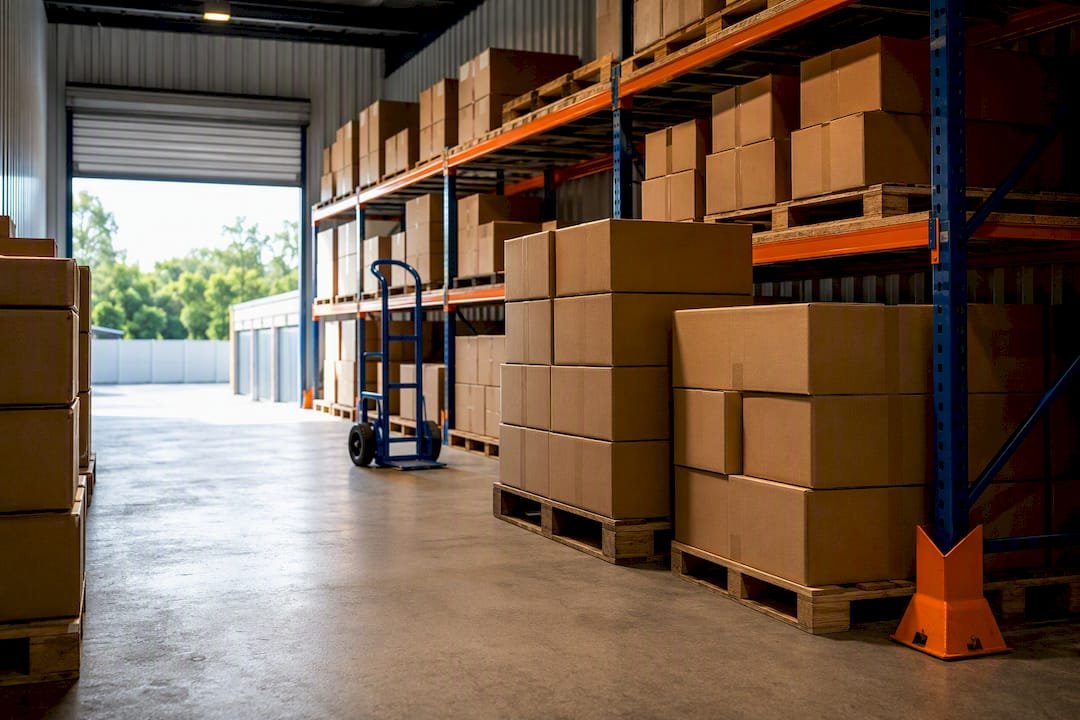
For most pallet buyers, the fastest and safest path from pallet to profit is booking short-term palletized storage with a pallet-friendly 3PL, or dedicating racked garage space, paired with a strict processing plan within a few days. This balances cost, speed, and security better than ad-hoc storage. Your immediate next step: either reserve receiving with a storage provider or clear and mark floor space today, before your next pallet arrives.
TL;DR:
- Pallet storage options should be matched to inventory volume, with garage racking suitable for up to five pallets and dedicated warehouse space needed beyond 24.
- Processing new pallets within 48 to 72 hours significantly improves inventory turnover and cash flow, especially when items under five dollars are bundled immediately.
- Organizing stock with prefix LQ- for SKUs, labeling shelves by grade and date, and using simple inventory tools like Google Sheets or Airtable supports efficient tracking.
- Electronics and cosmetics pallets require climate-controlled storage with active humidity and temperature monitoring, along with insured, pallet-level accountability.
- Choosing pallet sources aligned with your space and safety capacity—such as mixed electronics for climate-sensitive items or bulky appliances for larger inventory—prevents storage inefficiencies.
Table of Contents
- Where Should You Store Liquidation Pallets?
- How Fast Should You Process a New Pallet?
- How Do You Organize and Track Liquidation Stock?
- What Storage Conditions and Insurance Do You Need?
- How Much Space and Budget Do You Actually Need?
- Which Mega Pallets Liquidation Pallets Fit Your Storage Plan?
- What I’ve Learned From Watching Resellers Store Pallets Wrong
- Get Pallets Built for the Storage Plan You Just Made
- Sources
Where Should You Store Liquidation Pallets?
The right storage for liquidation inventory depends entirely on volume and how fast you turn stock. A garage with steel racking works for occasional buyers. A palletized warehouse makes sense once you’re running real volume.
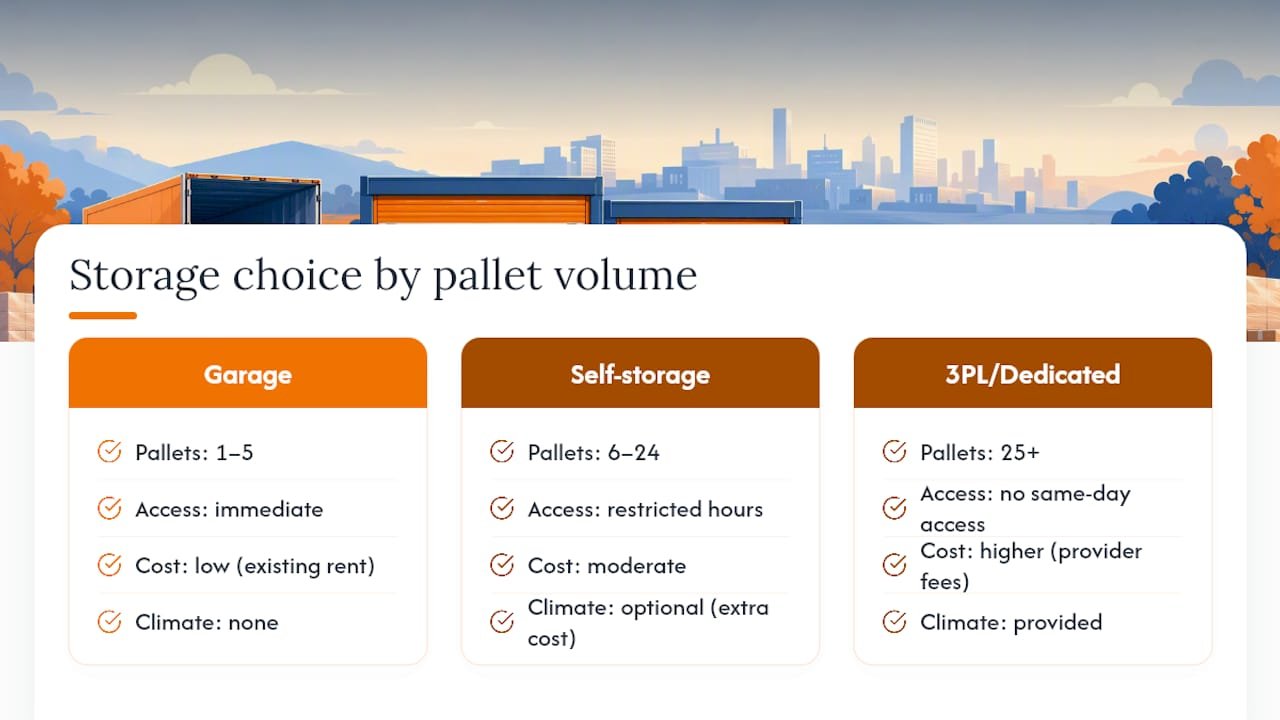
Garage or spare room with racking. Best for 1 to 5 pallets. You need a pallet jack, boltless shelving rated for at least 1,000 pounds per shelf, and level concrete flooring. Cost is essentially your existing rent, but insurance is on you, and most homeowner policies won’t cover resale inventory without a rider.
Self-storage units. Workable for 6 to 24 pallets if you rent a drive-up unit with a wide door. Climate-controlled units cost more but protect electronics and cosmetics. Non-climate units are cheaper but risky in summer heat or winter freeze cycles. Access hours are often restricted, which slows receiving.
Palletized 3PL or dedicated warehouse. The right call once you’re past 24 pallets or handling categories that need climate stability. Organizing your liquidation pallets properly at this scale means dedicating separate zones for receiving, storage, packing, and shipping. A provider handles racking, security, and insurance, but you lose same-day physical access.
Shared co-warehousing. A middle ground for growing resellers who split warehouse space and staff with other sellers. Lower fixed cost than a private 3PL contract, but you share liability for security lapses and scheduling conflicts during peak receiving windows.
Match the option to your goals: fast turnover favors garage or self-storage where you can process immediately, while long-term holds of seasonal liquidation pallets or bulk lots justify the 3PL’s insurance and climate control.
How Fast Should You Process a New Pallet?
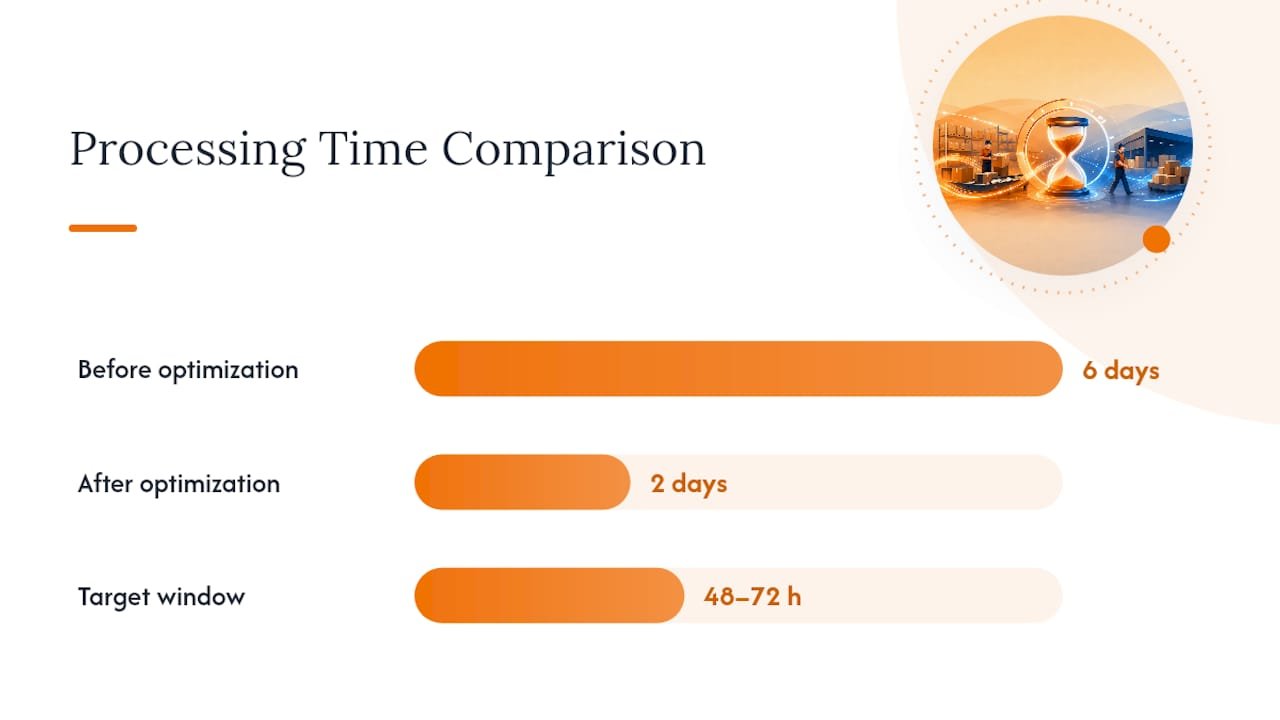
Speed is what separates profitable resellers from people sitting on dead capital. Operators who cut average processing time from six days to two days saw measurably better inventory turnover and cash flow, which is why a 48 to 72 hour window is the target, not a suggestion.
- Arrival check. Photograph the pallet as delivered, verify the manifest against what’s physically on the load, and quarantine anything unmanifested in a separate holding spot.
- Unpack and sort. Break the pallet into A, B, and C grade piles. A-grade is resale-ready, B-grade needs minor repair or repackaging, C-grade is parts or bulk-lot only.
- Test electronics. Power on every electronic item before it touches a shelf. A dead unit discovered post-sale costs you a return and a bad review.
- Photograph A-grade items immediately and assign an LQ- prefixed SKU so liquidation stock never gets mixed into replenishment inventory.
- Place by grade. A-grade goes straight to the listing station. B-grade goes to a repair queue. C-grade goes into a bundling bin.
Every item is assigned a disposition clock when logged; if it hasn’t sold within a couple of months, consider markdown, bundling, or liquidation to avoid prolonged shelf space consumption.
Pro Tip: Bundle anything under $5 in resale value the same day you process it. Waiting only adds storage cost to an item that was never going to carry its own weight.
How Do You Organize and Track Liquidation Stock?
Racking beats floor stacking almost every time once you clear five pallets, as explained in detail in this guide to warehouse Wi-Fi design that supports efficient warehouse operations. Vertical storage cuts your footprint, and a simple 36-inch aisle lets a pallet jack turn without knocking over neighboring stock.
- Prefix every liquidation SKU with LQ- to keep it walled off from regular replenishment inventory and forecasting data.
- Label each shelf position with a grade code (A/B/C) and date received, so aging stock is visible at a glance.
- Track inventory in Google Sheets for under 50 SKUs, or move to Airtable once volume grows. Airtable’s free tier handles up to 1,200 records per base, which covers most solo resellers for months.
- Print barcode labels through Shopify if you’re already selling there. Its inventory sync avoids the double-entry that causes overselling.
- Keep your picking and packing station physically separate from receiving. Mixing the two is the single fastest way to ship the wrong item.
What Storage Conditions and Insurance Do You Need?
Not every pallet needs a climate-controlled room, but electronics and cosmetics pallets absolutely do. Heat cycles crack plastic housings and degrade battery cells; humidity swells cardboard and warps packaging that buyers judge before they judge the product.
- Look for storage holding roughly a ±4°F temperature range with active humidity control, a spec some pallet-friendly warehouse providers advertise directly.
- Confirm 24/7 monitoring and access logs, not just a locked gate.
- Ask for pallet-level accountability, meaning your inventory is tracked individually, not lumped into a shared bay.
- Verify declared-value insurance tiers before you ship anything. Some providers set a base coverage limit per pallet, with higher tiers available for high-value electronics or appliance lots.
Storing inventory in another state can also trigger state sales-tax nexus obligations you didn’t have before. Check that before signing a warehouse lease outside your home state, not after.
How Much Space and Budget Do You Actually Need?
A standard pallet footprint is 40 by 48 inches. Stack two high with a safety margin and you’re looking at roughly 20 to 25 square feet per pallet position once you account for aisle space. One to five pallets fit in a single-car garage bay. Twenty-four or more pallets typically need a dedicated 600 to 800 square foot storage bay or a 3PL slot.
Cost ranges vary by provider and category. Self-storage and dedicated warehousing generally run $1 to $5 per square foot monthly, while a palletized 3PL like KAK charges around $25 per pallet biweekly, roughly $54 per pallet per month with climate control and insurance included.
| Cost line item | Typical range |
|---|---|
| Palletized storage (3PL) | ~$25/pallet biweekly |
| Self-storage/warehouse space | $1–$5 per sq ft/month |
| Pallet purchase price | several hundred to a few thousand dollars or more |
| Inbound shipping/freight | a couple of hundred to over a thousand dollars |
| Processing labor per item | around fifty cents up to ten dollars or more |
Plug your own numbers into these five lines before you commit to any single storage plan. Processing labor especially adds up fast on high-item-count pallets.
Which Mega Pallets Liquidation Pallets Fit Your Storage Plan?
Your storage decision should start with what’s on the pallet, not the other way around. Megapalletsliquidation organizes its product categories to help you plan receiving and space before the truck ever shows up.
- Buying mixed electronic pallets? Prioritize climate control and declared-value insurance, since electronics are the most damage-sensitive category in this guide.
- Working with kitchen appliance pallets? Budget extra floor space and stronger shelving; appliances are bulky and heavy per unit.
- Sourcing branded kitchen appliance pallets from names like Breville, Morphy Richards, and Ambiano? Plan a dedicated testing station, since brand-name electronics carry higher resale expectations for working condition.
Check the relevant product page first, then contact the Mega Pallets Liquidation team about receiving terms before you finalize a storage decision.
What I’ve Learned From Watching Resellers Store Pallets Wrong
The 48 to 72 hour processing rule and the 60-day disposition clock aren’t bureaucratic suggestions. They’re the two heuristics that separate resellers who turn a profit from resellers who quietly bury cash in a storage unit full of unsold pallets.
The two mistakes I see most: buyers who treat “eventually I’ll sort it” as a plan, and buyers who let low-value items sit unbundled for weeks because no single item feels worth the effort. Both mistakes compound. Every day a pallet sits unprocessed is a day of storage cost with zero revenue attached.
The shortcut that fixes both: bundle anything under a few dollars in resale value the moment you grade it, don’t wait for a “better” bundle idea. Momentum beats perfection here.
— Nene
Get Pallets Built for the Storage Plan You Just Made
You’ve already got the storage math figured out, so the next question is simple: which pallets are actually worth stocking? Megapalletsliquidation is the sourcing partner built for exactly this decision, with organized product pages that tell you what’s on the pallet before you commit shelf space or a 3PL contract to it.
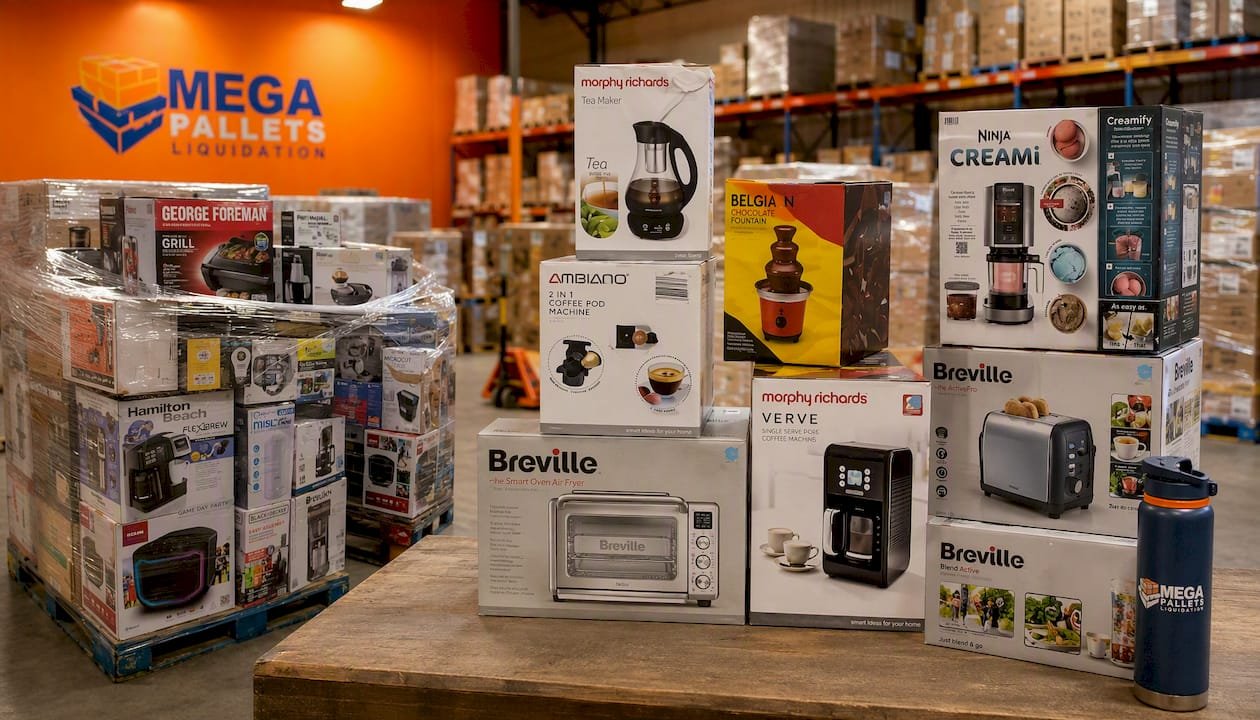
If your plan calls for climate-controlled positions, start with mixed electronic pallets. If you’ve got racking and floor space ready for bulkier items, the kitchen appliance pallet mix or the branded appliance pallets featuring Breville, Morphy Richards, and Ambiano units are worth a look. Lower-risk buyers who want less climate sensitivity can check the general merchandise pallets instead. Nationwide shipping and secure checkout mean you can confirm receiving terms and schedule delivery in one call. Reach the receiving and support team today to lock in your next load.
Sources
- Palletized Warehouse Storage · $25/Pallet Biweekly · KAK
- Organizing your liquidation pallets | B-Stock
- Zunapro warehousing nexus note
- Complete Guide to Buying Wholesale Liquidation Pallets: How to Start Your Reselling Business in 2026