Blog
Amazon Pallet Myths: Why Unmanifested Lots Often Yield 30–40% Sellable

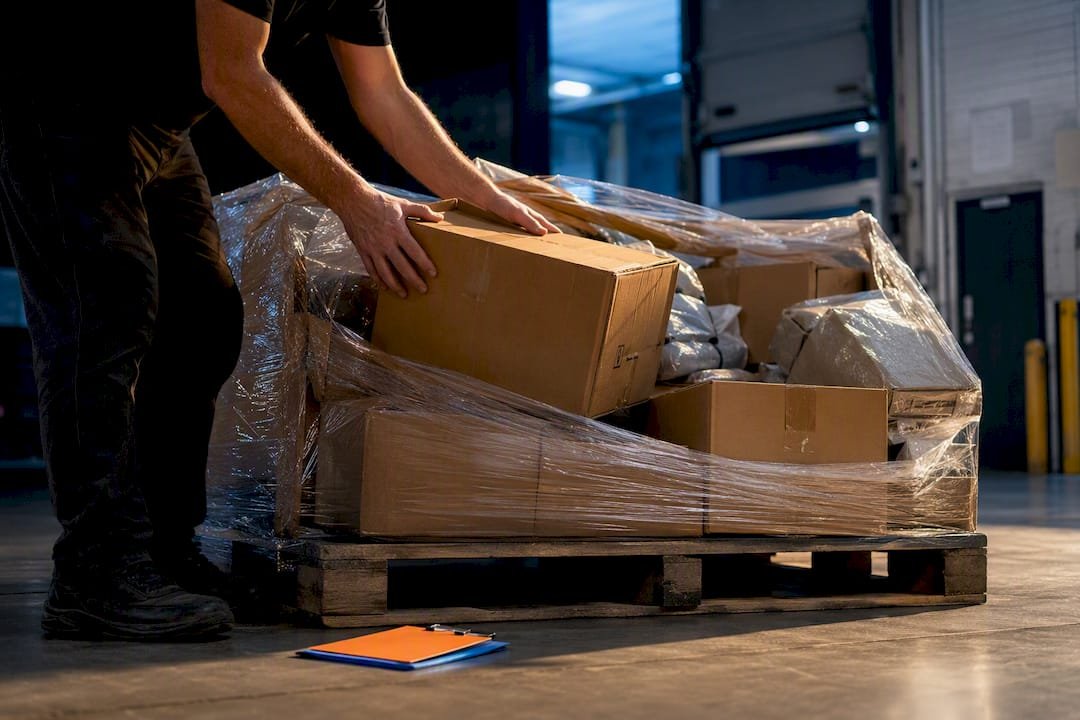
No, the $29 “Amazon pallet” you saw on social media is not real. Legitimate Amazon liquidation pallets exist, but they sell through authorized B2B liquidators, carry freight and condition risk, and are priced in the hundreds of dollars before shipping. Manifested lots cost more but cut your risk dramatically compared to unmanifested “mystery” pallets. Profit is possible, not automatic.
TL;DR:
- The majority of liquidation pallets contain a mix of new, open-box, and damaged items, with sellable rates ranging from 30% to 40% for unmanifested lots.
- Manifested pallets provide detailed lists of contents, lowering risk and helping buyers estimate resale value before purchase, unlike mystery pallets.
- Most legitimate pallets cost several hundred dollars plus freight, with actual costs including shipping, inspection, repairs, storage, and marketplace fees, affecting profit margins.
- Authentic liquidation vendors publish manifests and condition details upfront, while social media scams often offer prices too low to be credible, demanding payment via unverified methods.
- Before buying, always review the manifest, verify seller credentials, compare freight estimates, and ensure the lot matches your category and inspection capacity to avoid costly mistakes.
Table of Contents
- Myth 1: All Items Are Damaged or Defective
- Myth 2: Buying Pallets Guarantees High Profits
- Myth 3: You Never Know What You’ll Get
- Myth 4: All Return Pallets Are the Same
- Myth 5: Purchasing Pallets Is Quick and Easy
- Where Legitimate Pallets Are Sold and How to Spot Scams
- How to Evaluate Any Pallet Before You Buy
- How Mega Pallets Liquidation Helps Buyers Avoid Common Pitfalls
- The Bottom Line on Amazon Pallet Myths
- What Buyers Consistently Get Wrong
- Ready to Buy Your First Pallet the Right Way
- Sources
Myth 1: All Items Are Damaged or Defective
Customer returns are not junk piles. Most pallets mix new, like-new, open-box, and genuinely damaged goods, and the return reason usually explains the condition. A shopper who ordered the wrong shoe size or changed their mind sends back a perfectly sellable item. Packaging damage from shipping is common too, and it rarely touches the product inside.
Sellable-rate expectations depend heavily on the lot type. Unmanifested return pallets commonly land around 30% to 40% sellable, while manifested or overstock pallets often run higher because you know what’s inside before you bid.
- New/like-new: unopened returns, wrong item shipped, buyer’s remorse
- Open-box: tested or lightly used, missing minor accessories
- Damaged: cosmetic dents, torn packaging, or functional defects
Myth 2: Buying Pallets Guarantees High Profits
A pallet is inventory, not a paycheck. Margins depend on what you pay upfront and what you spend getting items ready to sell.
- Purchase price — the pallet cost itself, often the smallest line item once you factor everything else
- Freight — LTL shipping with a liftgate typically runs $150 to $600 depending on weight and distance
- Inspection and repair — cleaning, testing, minor fixes before anything goes online
- Storage — space to hold inventory while you list and sell
- Listing fees and returns — marketplace cuts and the cost of your own return rate
A manifest changes this math because you can price out expected resale value before you buy, instead of guessing. If that number is thin, walk away.
Myth 3: You Never Know What You’ll Get
This one is only half true, and the half that’s false is the important half. A manifested pallet comes with an itemized list of contents, sometimes down to the ASIN, so you know roughly what you’re buying before it ships. An unmanifested or “mystery” pallet, like a wholesale mystery boxes lot, is a genuine gamble by design.
- Manifested lots cost more per pallet but carry far lower risk since manifest accuracy lets you estimate value in advance
- Unmanifested lots are cheaper upfront but sellable rates swing widely, often toward that 30% to 40% range
- Beginners should lean manifested until they’ve learned how to grade and price merchandise
- Experienced resellers with strong sourcing instincts sometimes work mystery lots for the upside surprise
Myth 4: All Return Pallets Are the Same
Where a pallet comes from changes what you’re actually buying. Customer returns carry the widest condition spread. Shelf-pulls are store inventory pulled for space or seasonal turnover, usually in better shape. Overstock is unsold new inventory, the safest bet for condition. Vendor returns sit somewhere in between, often bulk quantities from retailers restocking their supply chain.
Category matters just as much as source. A mixed electronics pallet needs more testing time than a clothing lot, but electronics also hold resale value better per item. Books grade more predictably than either.
- Match category to your available inspection time and space
- Electronics need functional testing before listing
- Clothing and toys need condition sorting but rarely functional checks
- Books and media are the most consistent condition category available
Myth 5: Purchasing Pallets Is Quick and Easy
Buying a pallet is not a same-day transaction. Most legitimate platforms require a business tax ID or resale certificate before you can even browse full listings, so account setup alone takes time.
- Register and verify your business credentials with the platform
- Request an LTL freight quote before you bid, not after, since pallets weigh 400 to 1,000 pounds and ship on freight trucks with liftgate delivery, not parcel carriers
- Inspect, repair, and describe every item accurately once it arrives, then handle listing and any customer returns that follow
Skip a step and you’re either overpaying for shipping surprises or listing items you haven’t actually checked.
Where Legitimate Pallets Are Sold and How to Spot Scams
Amazon does not sell return pallets to the public through its own retail site. Real inventory moves through contracted B2B liquidation platforms such as B-Stock, Direct Liquidation, BULQ, and Liquidation.com. These sites publish manifests, condition grades, and photos before you commit money.
A useful gut check: if a deal looks too cheap to be real, it usually is. Real pallets run several hundred dollars before freight, not $29 or $99.
Social media is where the scams live. Watch for:
- A price far below market with “free shipping” attached
- No verifiable business address, phone number, or company registration
- Payment demanded only through Zelle or Venmo, with no invoice
- A manifest that seems copied, vague, or impossible to verify against the seller’s claims
Before paying anyone, ask for a sample manifest, confirm the seller’s business registration, and get an independent freight estimate to compare against their quote.
How to Evaluate Any Pallet Before You Buy
Run this checklist every time, no exceptions:
- Pull the manifest and read it line by line, not just the summary total
- Spot-check a few ASINs against current resale prices to sanity-check the manifest’s stated value
- Study the photos closely for packaging damage, missing components, or inconsistent condition claims
- Get a freight quote before bidding so shipping doesn’t wreck your margin after the fact
- Check seller history including reviews, time in business, and platform standing
- Read the returns policy in case the lot doesn’t match what was promised
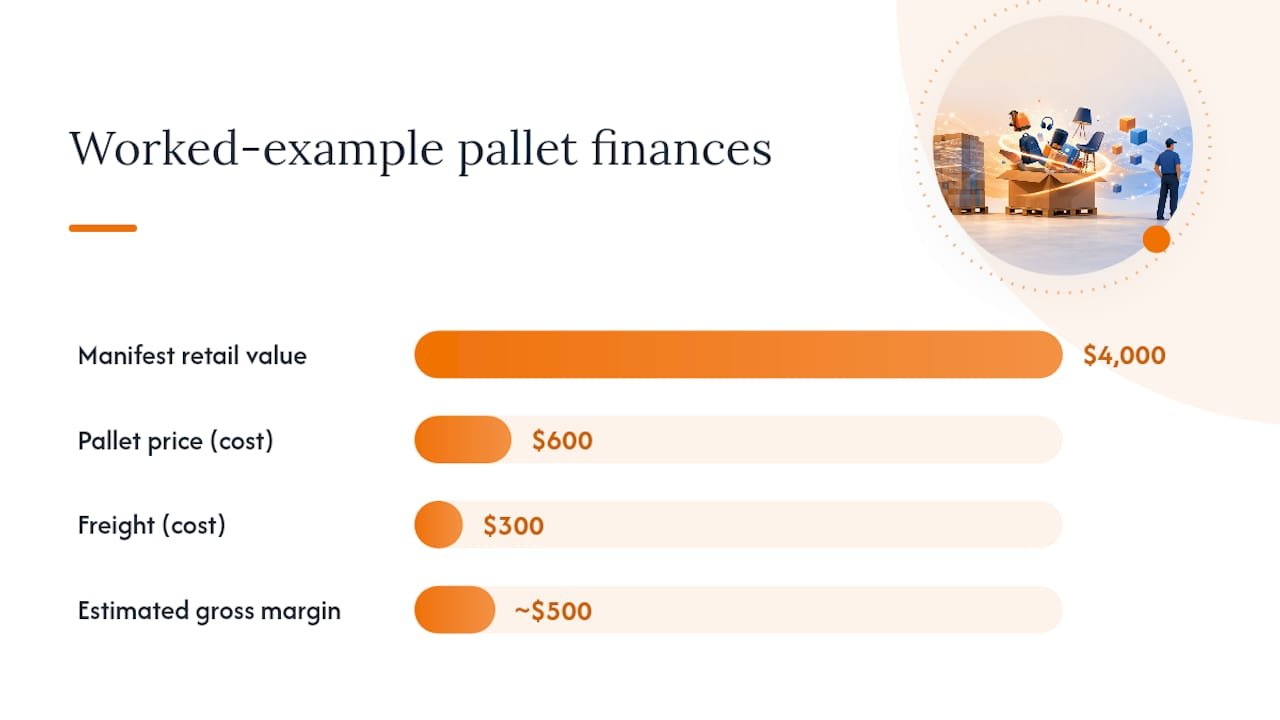
Worked example: a manifest lists 50 items with a combined retail value of $4,000. Subtract a $600 pallet price and $300 freight, and you’re looking at around $500 gross margin before your own time and listing fees.
Pro Tip: Always ask three questions before you pay: Is there a manifest I can review first? What’s the seller’s business registration status? What’s the actual freight cost, not the estimate?
Remember that listing a used or returned item as “new” once it reaches your storefront isn’t just misleading, it can trigger an Amazon seller suspension if you resell on that platform. Accurate condition descriptions protect your account, not just your customer.
How Mega Pallets Liquidation Helps Buyers Avoid Common Pitfalls
An inventory provider organizes inventory by category to help buyers match risk tolerance to experience level. That structure matters more than most buyers realize until they’ve been burned once.
- Books, like mixed books liquidation pallets running 900 to 1,000 units per pallet, offer the most predictable condition grading for first-time buyers
- Electronics, including Amazon electronic return pallets, carry higher resale value but need more inspection time
- Toys, such as wholesale kids toys pallets at 200 units, sit in the middle for grading effort
- Apparel, including Lululemon liquidation pallets, rewards buyers who know their category’s resale market
A reputable listing always gives you a manifest, clear freight terms, and a stated returns policy before you pay a dollar.
The Bottom Line on Amazon Pallet Myths
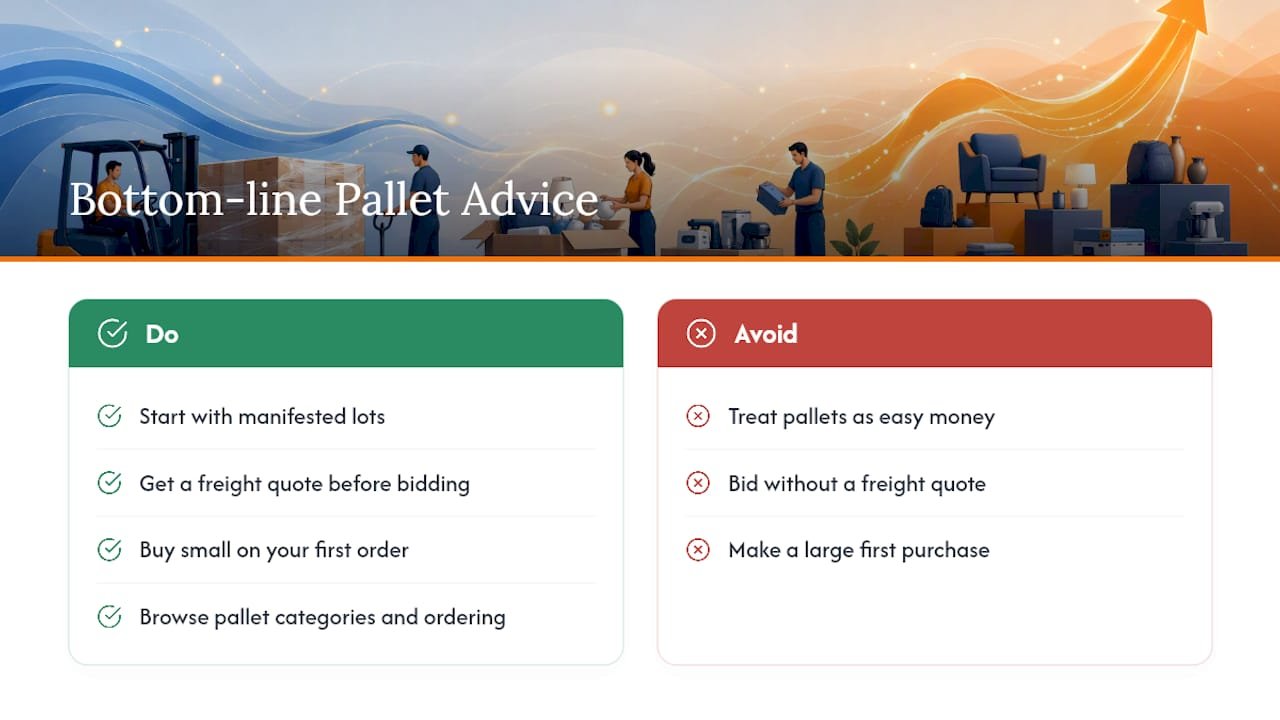
Pallets are real inventory with real risk, not a shortcut to easy money. Start with manifested lots, get your freight quote before you bid, and buy small on your first order. Browse available pallet categories or check how ordering works before committing.
What Buyers Consistently Get Wrong
The biggest gap between expectation and reality isn’t the merchandise. It’s the math. Most people evaluate a pallet by imagining the best-case unboxing, the kind shown in viral videos where a creator pulls out one great pallet and never mentions the four mediocre ones that came before it. That survivorship bias is doing more damage to buyer expectations than any actual scam.
Conventional advice tells beginners to “just start” and learn as they go. That’s backwards. The buyers who do well are the ones who treat the manifest like a financial document, because it is one. A pallet without a manifest is a bet you can’t size correctly, no matter how good your instincts are.
If there’s one priority worth ranking above every other tip in this piece, it’s this: buy manifested before you buy cheap. Sellable-rate math doesn’t lie, even when the price tag tempts you to ignore it.
— Nene
Ready to Buy Your First Pallet the Right Way
Some liquidation platforms offer lots with manifested details, nationwide LTL shipping, and secure checkout, so buyers are not left guessing what arrives.
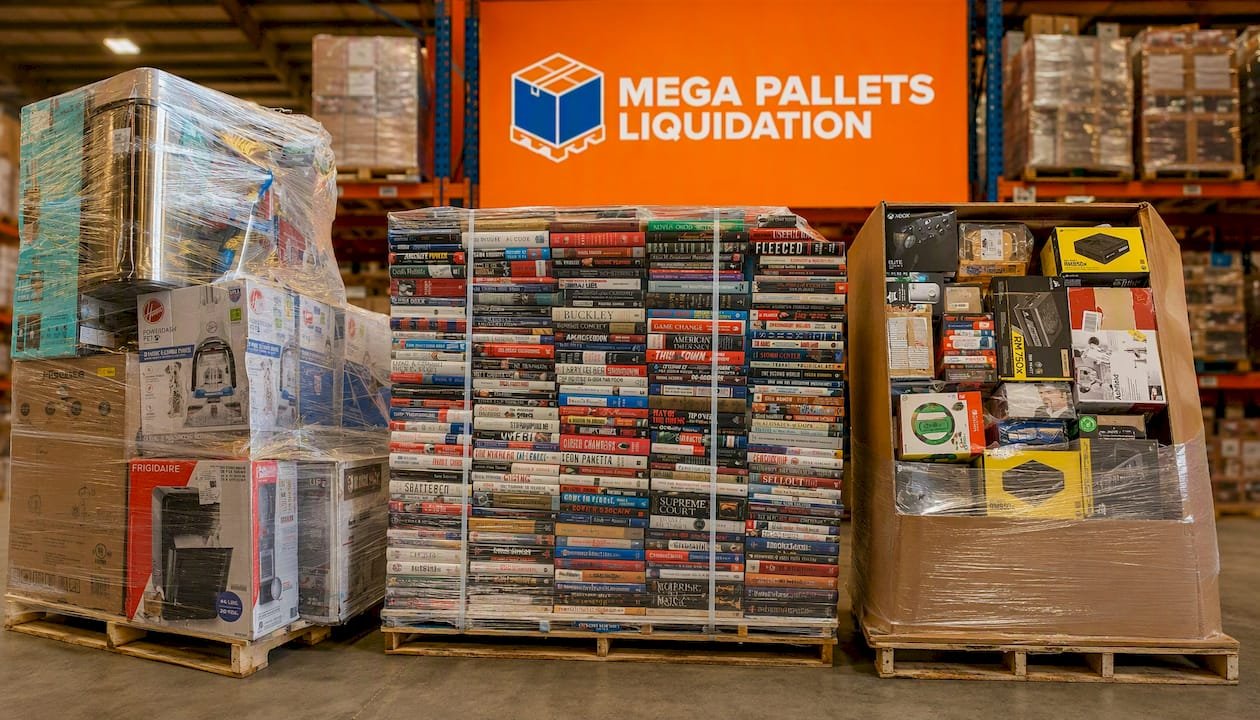
Whether you’re testing the waters with a general merchandise pallet or moving straight into Amazon bulk liquidation pallets, the catalog is built for resellers who want to know what they’re paying for before it arrives. Check shipping details on the freight and delivery page, then browse current listings and place your first order today.
Sources
- Amazon Liquidation Pallets: Real Costs & Where to Buy (2026)
- How to Buy Liquidation Pallets (Without Getting Burned)
- Is Amazon pallets a real thing? Here’s what actually happens with large shipments