Blog
Resellers’ Landed Cost Playbook for Shoe Pallets

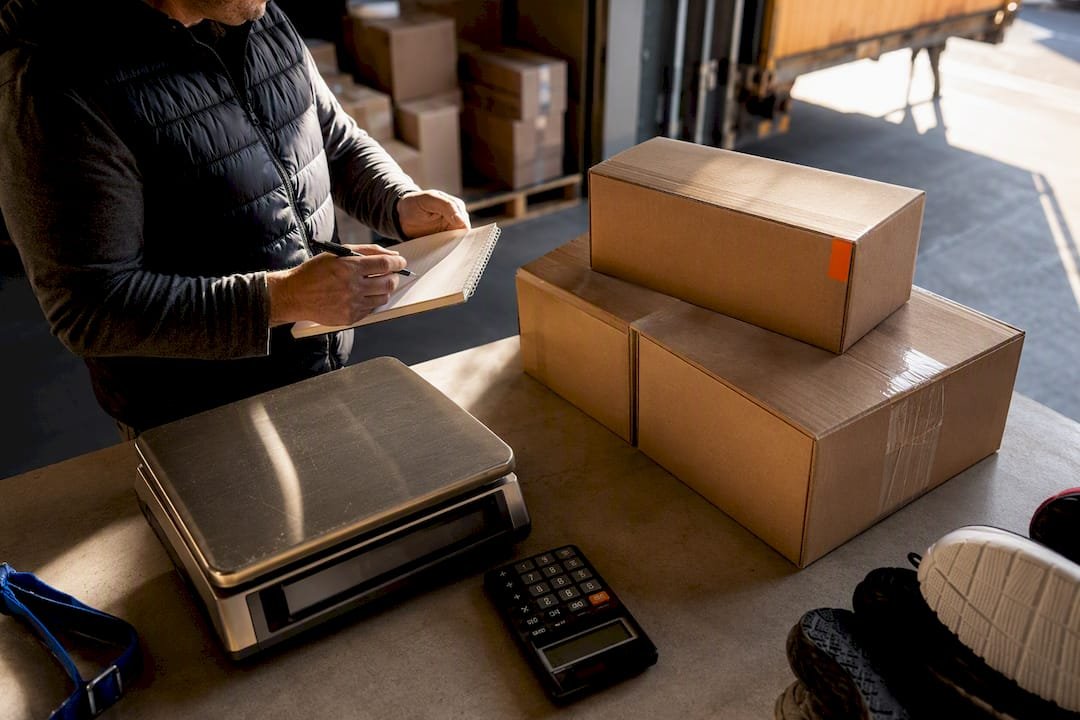
Yes, reselling shoe pallets is profitable when you buy the right lots at the right price. Online resellers, discount retailers, and flea-market vendors see the best returns because they control three levers: what they pay per pallet, how accurately they grade what arrives, and where they sell it. Get those three right, and margins follow.
TL;DR:
- Buying brand-specific pallets, especially those with new or overstock shoes, generally yields higher margins than mixed, lower-grade lots.
- Expect higher predictability from liquidation wholesalers with detailed manifests and real photos, but auction sites may offer lower prices with increased risks.
- Proper inspection upon arrival involves photographing, verifying pair counts, and sorting into categories, which speeds up resale and maintains quality.
- Freight costs, handling, and storage conditions significantly impact the overall landed cost, requiring careful planning before purchasing.
- Online marketplaces reward well-lit, size-specific listings, while seasonal timing and bundling strategies help sell inventory quickly and boost margins.
Table of Contents
- Where to Buy Shoe Pallets for Reselling
- What’s Really Inside a Shoe Pallet
- How Do You Calculate Profit on a Shoe Pallet?
- How to Inspect and Sort a Shoe Pallet on Arrival
- Freight, Storage, and Handling for Shoe Pallets
- Best Channels to Resell Footwear Pallets
- What Red Flags Should You Watch for in Shoe Pallet Listings?
- Why Buyers Trust Megapalletsliquidation for Shoe Inventory
- Legal and Tax Rules Every Shoe Pallet Reseller Should Know
- Marketing Techniques That Sell Footwear Faster
- Setting Return Policies as a Footwear Reseller
- Is the Footwear Resale Market Still Growing?
- A Practical Note From Nene on Scaling Pallet Resale
- Ready to Buy Your Next Shoe Pallet?
- Sources
Where to Buy Shoe Pallets for Reselling
Sourcing quality determines profit more than any other single decision. Liquidation wholesalers, pallet marketplaces, auction platforms, and government surplus channels all sell shoe pallets, but each comes with a different risk profile.
Liquidation wholesalers, including Megapalletsliquidation, typically offer the most predictable buying experience because listings come with organized categories, clearer condition grading, and manifests that spell out pair counts before you commit. Auction-based sources trade that predictability for lower entry prices. Platforms like GovDeals run public government surplus auctions where agencies liquidate excess inventory, and Bid4Assets runs similar auctions for government and corporate surplus that occasionally include palletized footwear. Both can undercut wholesale pricing, but you’re accepting more unknowns in exchange.
For volume and consistency, large remarketing firms like Liquidity Services manage high-volume retail liquidation, making them a fit for buyers chasing brand blocks or steady replenishment. Aggregator sites such as AllSurplus surface smaller, nonstandard lots that suit niche resellers hunting specialty sizes. If you’re searching broadly for palletized inventory, Machinio can also surface liquidation-lot sellers outside the usual channels.
Before buying anywhere, check for:
- A clear manifest listing brands, sizes, and estimated pair counts
- Real photos of the actual lot, not stock images
- Stated return terms and shipping responsibility
- A seller history or reviews you can verify
What’s Really Inside a Shoe Pallet
Pallet listings use specific terms, and misreading them is the fastest way to overpay. A “mixed” pallet contains multiple brands and styles; a “brand-specific” pallet, like a Nike or Adidas block, sticks to one label and usually commands a higher per-pair price. “Customer returns” pallets include shoes sent back to a retailer, often unworn but missing original packaging. “Salvage” pallets carry the most damage and the lowest per-pair value.
Condition grading generally breaks down into three tiers:
- New/overstock: unsold retail inventory, shelf-ready or close to it
- Returns/refurbish: functional but may need cleaning, re-boxing, or minor repair
- Salvage/as-is: damaged, mismatched, or missing components, sold for parts or bulk resale
Shoe pallet pair counts vary widely depending on weight and box size. The lower the condition grade, the lower your realistic price per pair, so factor that into what you’re willing to pay upfront.
How Do You Calculate Profit on a Shoe Pallet?
The math is simpler than most new buyers assume. Use this landed-cost formula before you ever click “buy”:
- Add pallet price, freight cost, marketplace or payment fees, and sorting labor
- Divide that total by your estimated number of sellable pairs
- Compare that per-pair cost against realistic resale prices for the grade
Pro Tip: Always estimate sellable pairs conservatively, not optimistically. If a manifest says 200 pairs, plan your margin around 150 to 170 sellable units after accounting for damage and mismatches.
For an A-grade, brand-specific pallet costing a few thousand dollars including freight and fees, landing a certain number of sellable pairs puts your cost at a reasonable per-pair amount. Selling those pairs online at typical resale prices can leave healthy margins after marketplace fees. A mixed-condition pallet priced lower with similar freight costs and fewer sellable pairs results in a lower per-pair cost. However, resale prices on mixed-brand, lower-grade shoes are generally much lower, which reduces margin significantly. Freight and handling choices change landed cost more than most buyers expect, so never estimate a lot without pricing shipping first.
How to Inspect and Sort a Shoe Pallet on Arrival
Your first hour with a new pallet sets the tone for how fast you turn it into cash.
- Photograph the pallet as it arrives, sealed and unopened, before touching anything
- Cross-check a sample of boxes against the manifest’s stated pair count and sizes
- Sort into three bins immediately: sell as-new, repair or refurbish, and bulk salvage
- Price each bin separately rather than averaging across the whole lot
Pro Tip: Keep a cheap label printer and a folding table dedicated to sorting. Speed matters more than a fancy setup, since every day a pallet sits unsorted is a day it isn’t generating revenue.
Freight, Storage, and Handling for Shoe Pallets
Freight terms change your landed cost more than most buyers plan for. Liftgate delivery and inside placement add per-pallet fees that curbside or terminal pickup avoid, so factor that difference into your offer before bidding.
- Request manifest photos and freight quotes before you commit to a purchase
- Store pallets on dry, elevated shelving to prevent box damage and moisture warping
- Sort promptly after arrival so damaged pairs don’t sit and depreciate further
- Negotiate freight class with your carrier if you’re ordering multiple pallets a month
Best Channels to Resell Footwear Pallets
Matching grade to channel is where most of your margin gets made or lost. New and overstock pairs perform best on online marketplaces where buyers pay closer to retail. Mixed-condition and returns inventory often moves faster through bulk-lot resale to smaller resellers or flea-market vendors who don’t need retail-perfect condition.
- Sell A-grade, brand-name pairs individually online to capture the highest per-pair price
- Bundle mismatched sizes or slow-moving styles into multi-pair lots instead of pricing them individually
- Use promoted listings on marketplaces for your highest-margin brand-specific inventory
- Move salvage-grade stock through flea markets or bulk resale rather than tying up storage space
- Check footwear trend coverage, including resources like Shop Nova Online’s footwear blog, to time seasonal releases and style-driven pricing
Retail and brick-and-mortar buyers tend to want consistent brand blocks, which makes them a better fit for wholesalers offering steady replenishment rather than one-off auction wins.
What Red Flags Should You Watch for in Shoe Pallet Listings?
Some losses are avoidable before you ever place a bid. Watch for listings with no photos, vague or missing manifests, no return policy, or pricing so far below market that it signals hidden damage or counterfeit risk. Counterfeit footwear remains a real concern in loosely vetted lots, so check stitching, labeling, and packaging consistency against authentic references before reselling any brand-name pair.
- No photos or a manifest that only lists “assorted shoes” with no pair count
- Zero return policy on a high-dollar pallet purchase
- Unusually low pricing relative to comparable brand-specific lots
- Unclear freight terms that can surface as surprise surcharges after purchase
Auctions and public surplus channels can offer lower entry prices, but they typically carry more risk through limited returns and thinner manifests compared with established wholesalers.
Why Buyers Trust Megapalletsliquidation for Shoe Inventory
Some liquidation wholesalers organize their footwear inventory into clear categories so resellers can shop by brand, condition, and price point instead of guessing. These suppliers may ship nationwide and offer a streamlined checkout process designed for resellers, featuring manifests and support if questions arise.
- Premium Nordstrom Pallets for buyers targeting higher-margin department store brand blocks
- Yeezy Slides Mixed Pallet (200 Pairs) for resellers chasing fast-moving streetwear demand
- Nike Clothing Pallets for consistent brand-name apparel and footwear inventory
Customer testimonials and resale case examples on the site reflect buyers who’ve turned these categories into repeatable income streams. You can browse the full shop liquidation pallets catalog to see current availability before placing an order.
Legal and Tax Rules Every Shoe Pallet Reseller Should Know
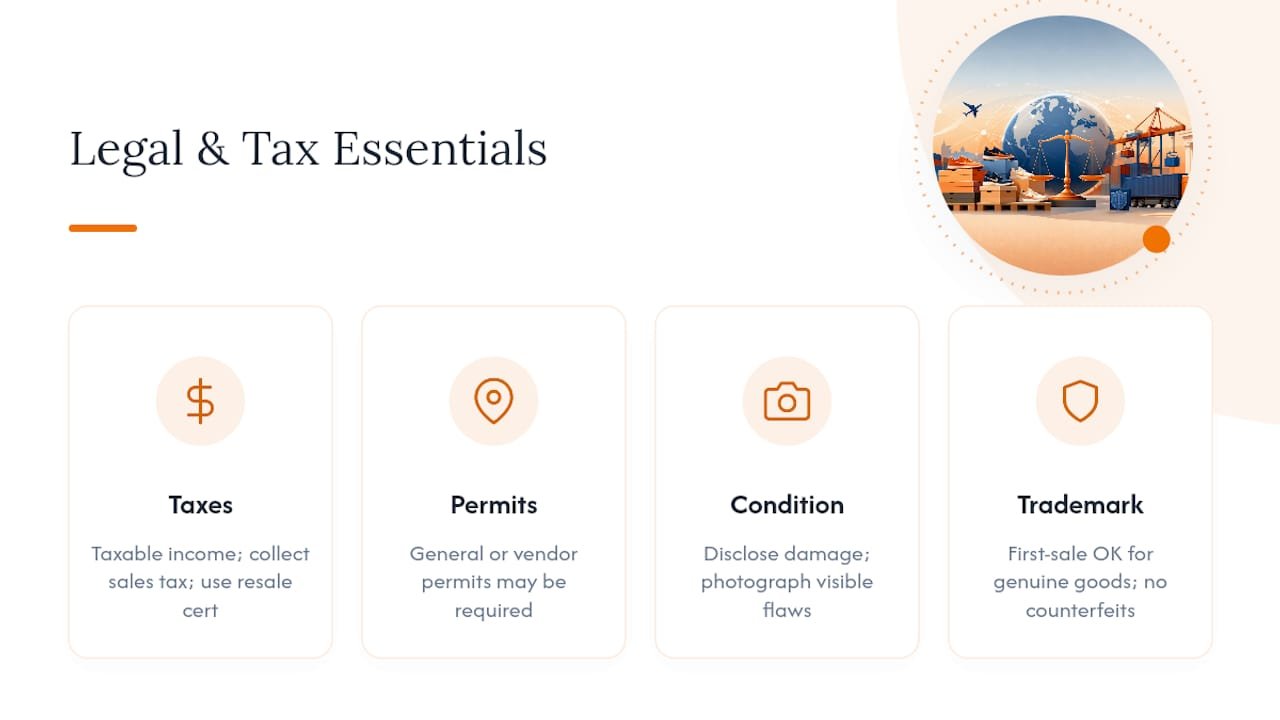
Reselling footwear is a real business activity, and the IRS and your state treat it that way. Income from pallet resale counts as taxable business income, and most states require you to collect and remit sales tax on retail sales unless you’re selling exclusively to other resellers with a valid resale certificate. If you sell online, you’ll want a resale certificate on file so you can buy inventory without paying sales tax upfront, then collect it properly at the point of sale to your end customer.
Permit requirements vary by state and city. Some jurisdictions require a general business license or a specific seller’s permit before you can legally operate a resale business, even a small one run from home. Flea market and pop-up vendors often need a separate temporary vendor permit tied to the event location. Check with your state’s department of revenue or a local small business office before your first sale, since penalties for operating without the right permit can outweigh any margin you made on a pallet.
Consumer protection rules also apply to how you describe condition. Misrepresenting a used or returned pair as new, or failing to disclose visible damage, can expose you to complaints or chargebacks on major marketplaces. Photograph flaws honestly and describe condition accurately. It protects your seller rating as much as it protects the buyer.
Trademark law matters too. Reselling genuine, legitimately acquired branded footwear is legal under the first-sale doctrine, but knowingly reselling counterfeit shoes is not, regardless of how the pallet was marketed to you.
Marketing Techniques That Sell Footwear Faster
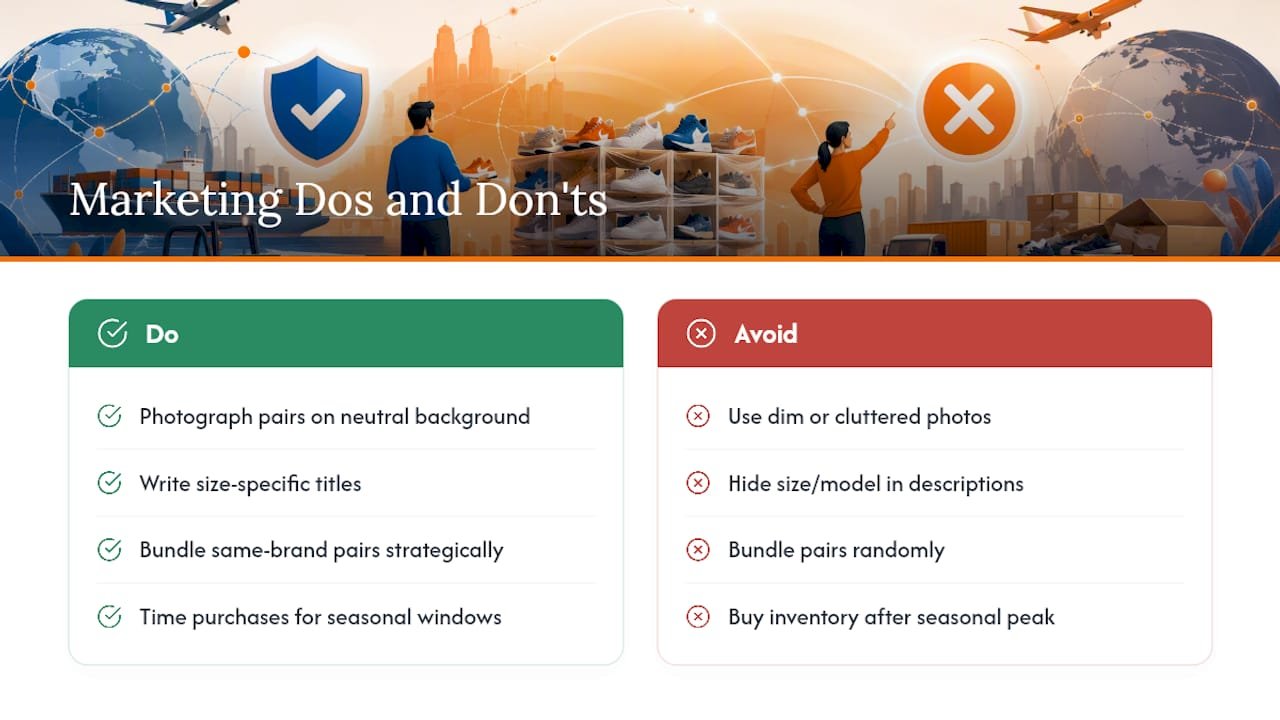
Sell-through speed is what separates a profitable pallet from one that ties up cash for months. Photograph every pair against a neutral background with consistent lighting. Listings with clear, well-lit photos consistently outperform dim or cluttered ones, especially for footwear, where buyers zoom in on soles and stitching before trusting a “like new” claim.
Write size-specific titles instead of generic ones. “Nike Air Max 270 Men’s Size 10.5, New” pulls far more search traffic than “Nike Shoes New.” Buyers search by size and model, so burying that information in the description instead of the title costs you visibility.
Bundle strategically rather than randomly. Grouping three pairs of the same brand at a slight discount moves inventory faster than pricing each pair separately, particularly for sizes that don’t sell as quickly on their own, like very small or very large runs.
Seasonal timing matters more for footwear than most categories. Back-to-school months drive kids’ and athletic shoe demand, while holiday season favors boots and casual styles. Time your brand-specific pallet purchases around these windows so inventory arrives while demand is climbing, not after it’s peaked.
Cross-promote through social platforms where visual products perform well, and consider a simple loyalty incentive, like a discount code for repeat buyers, since footwear resellers often see the same customers return for multiple sizes or family members.
Setting Return Policies as a Footwear Reseller
Your return policy directly affects buyer trust and your own risk exposure. Most successful resellers offer a short return window, often 14 to 30 days, for defects not disclosed in the listing, while stating clearly that final sale applies to salvage-grade or heavily discounted bundles. Spell this out in every listing rather than relying on marketplace defaults, since footwear disputes over sizing and condition are common.
Respond to buyer messages quickly. Marketplaces weigh response time heavily in seller ratings, and slow replies on sizing or condition questions cost you sales you’d otherwise close. When a return does come in, inspect the item before issuing a refund. Genuine defects should be honored without friction, but items showing wear inconsistent with the stated reason deserve a closer look before you approve.
Keep a simple record of every return by pallet source. Tracking which lots generate the most complaints helps you identify which sourcing channels or grades are actually worth the risk, and which ones are quietly eating your margin.
Is the Footwear Resale Market Still Growing?
Footwear resale demand tends to track two forces: sneaker culture and everyday value shopping. Streetwear and collaboration releases, like Yeezy-branded footwear, keep demand elevated among buyers hunting below-retail pricing on high-demand styles. At the same time, budget-conscious shoppers increasingly turn to resale and liquidation channels for name-brand shoes at a fraction of department store pricing.
Watch local demand signals rather than relying only on national trend reports. Check what’s moving fast on your own marketplace listings, what flea market customers ask for by name, and which sizes sell out first from your own pallets. Kids’ shoes and popular men’s sizes (9 through 11) tend to move fastest in mixed lots, while less common sizes often require bundling or discounting to clear.
Diversifying between brand-specific pallets and mixed lots hedges against demand swings in any single category, giving you inventory that appeals to both bargain shoppers and buyers chasing a specific label.
A Practical Note From Nene on Scaling Pallet Resale
The mistake I see most often is buyers reinvesting profit before they’ve tracked turnover time by grade. Know how fast each grade actually sells before scaling up. Set margin targets by condition, not by gut feeling, and schedule restocks around your actual sell-through rate, not your ambition. If you’re ready to source your next lot, Mega Pallets Liquidation is a good place to start that conversation.
— Nene
Ready to Buy Your Next Shoe Pallet?
Some liquidation wholesalers offer organized categories, readable manifests, and nationwide shipping to facilitate easier inventory sourcing compared to auctions and unclear listings.
If you’re chasing higher-margin brand blocks, the Premium Nordstrom Pallets page is the place to start. Buyers targeting fast-moving streetwear demand should look at the Yeezy Slides Mixed Pallet (200 Pairs), while resellers who want consistent brand apparel and footwear inventory will find it on the Nike Clothing Pallets page. New to the process? The how to order guide walks through checkout step by step, and our contact page connects you with support if you have questions about a specific lot before you buy.