Blog
5 Mistakes New Pallet Resellers Make (& How to Avoid Them)


Pallet resale mistakes can turn an exciting liquidation purchase into an expensive lesson. New resellers often focus on the potential profit of a pallet without considering the platform, product condition, hidden costs, supplier transparency, or the time required to sell everything.
Last month, we watched a new reseller make a purchase that still makes us cringe. She bought a $1,200 electronics pallet. Three weeks later? She had sold maybe 30% of it. Her profit: just $180.
That’s the brutal reality of making avoidable pallet resale mistakes.
The good news? You don’t need years of experience to avoid them. By understanding the most common problems before you buy, you can make smarter purchasing decisions, protect your margins, and build a more sustainable resale business.
Mistake #1: Choosing the Wrong Category for Your Platform

One of the biggest pallet resale mistakes is choosing inventory before deciding where you’re going to sell it.
The pallet doesn’t matter as much as your platform.
Imagine buying a $1,000 cosmetics pallet. If you sell it on eBay, competition and category restrictions could make it difficult to move quickly. On another marketplace or through local beauty buyers, the same inventory may have a completely different sales potential.
The key lesson is simple: choose your sales channel first, then source inventory that fits it.
Match Your Products to the Right Platform
- Electronics → eBay, Amazon, local marketplaces
- Tools → eBay, contractors, local buyers, wholesale
- Clothing → Poshmark, Depop, local marketplaces
- Cosmetics → Mercari, local beauty buyers, specialty marketplaces
Your results will depend on product quality, pricing, demand, fees, competition, and marketplace rules, so don’t assume a particular margin or sell-through rate before researching your specific inventory.
Fix: Pick your platform first. Research what sells well there, then source the category that matches your audience.
This simple change can prevent one of the most expensive pallet resale mistakes beginners make.
Mistake #2: Not Verifying Condition Before Listing
Another major pallet resale mistake is assuming the manifest tells you everything you need to know.
A pallet can contain products listed as customer returns, used merchandise, open-box inventory, overstock, or new products. The actual condition of individual items can vary.
Returns can quickly destroy your expected profit.
You might purchase a $1,000 electronics pallet expecting $2,500 in sales. You skip inspection and immediately list everything.
Then the problems appear:
- An iPhone won’t charge.
- A MacBook has a damaged keyboard.
- AirPods don’t connect.
- A laptop has a cracked screen.
- Accessories are missing.
- Several products have cosmetic damage.
Suddenly, your expected revenue is much lower than planned.
Inspect Your Pallet Before Listing
Electronics:
- Power on every device
- Test charging
- Check audio and video
- Inspect screens and ports
- Verify serial numbers where appropriate
- Check functionality and accessories
Tools:
- Inspect serial numbers
- Test batteries
- Check moving parts
- Look for damage
- Research applicable recalls
Clothing:
- Check for stains
- Inspect zippers and seams
- Check odors
- Confirm sizes
- Photograph noticeable defects
Cosmetics:
- Check packaging
- Verify expiration information where applicable
- Check batch information
- Confirm products are sealed and suitable for resale
- Follow applicable marketplace and regulatory requirements
Spending time on inspection can prevent expensive pallet resale mistakes later.
Mistake #3: Underestimating Hidden Costs
Here’s another common pallet resale mistake: calculating revenue instead of calculating actual profit.
Consider a hypothetical $1,000 electronics pallet.
Expected resale revenue: $2,500
A beginner might think:
$2,500 – $1,000 = $1,500 profit
But that’s not the real calculation.
You may also have:
- Platform fees
- Payment processing
- Shipping
- Packaging
- Storage
- Returns
- Damaged inventory
- Cleaning and testing
- Photography
- Listing time
- Customer service
- Your own labor
For example:
| Expense | Estimated Cost |
|---|---|
| Pallet purchase | $1,000 |
| Platform fees | $375 |
| Payment processing | $72 |
| Returns | $125 |
| Storage/shipping/packaging | $80 |
| Labor | $400 |
| Total costs | $2,052 |
With $2,500 in sales, that leaves approximately $448 before taxes and other potential expenses.
The exact numbers will vary, but the lesson is important: revenue isn’t profit.
Fix: Calculate your expected net profit before purchasing a pallet. Include every realistic expense and estimate how many hours you’ll spend processing, listing, selling, packing, and handling returns.
This calculation alone can help you avoid several costly pallet resale mistakes.
Mistake #4: Sourcing From Suppliers With No Transparency
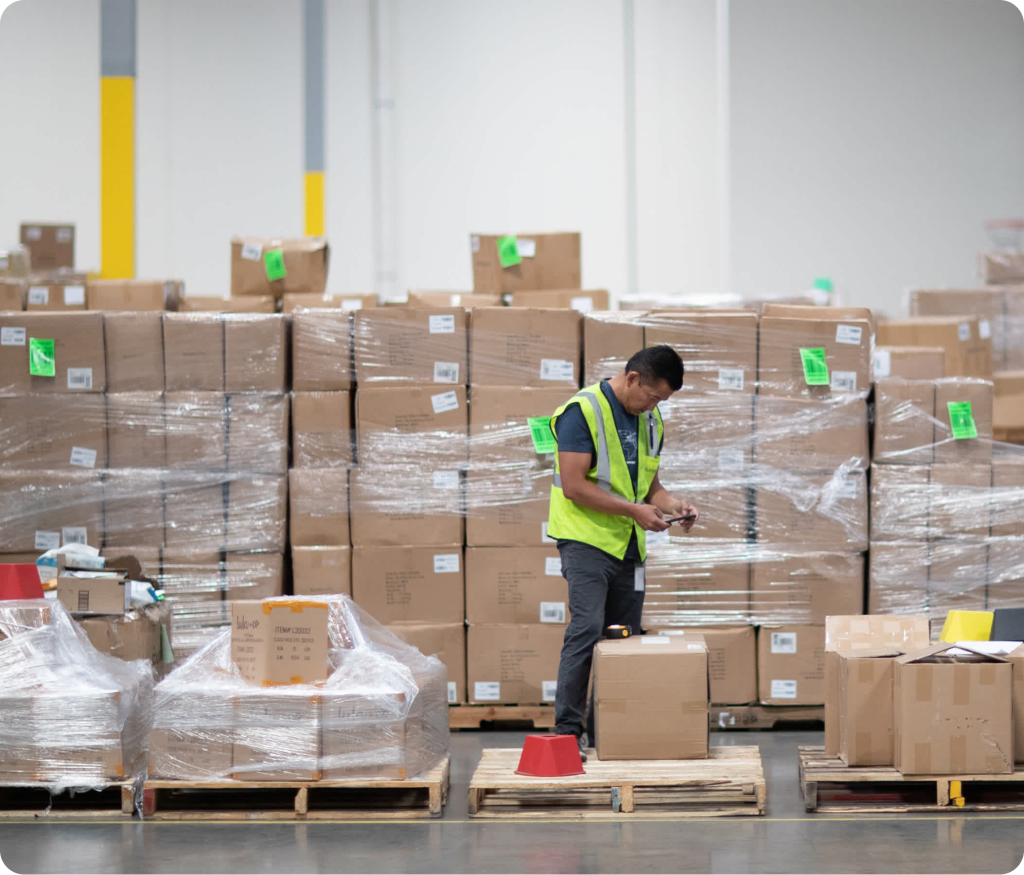
Buying from an unreliable supplier is one of the most dangerous pallet resale mistakes because the problem begins before the inventory even arrives.
A listing may say:
“Mystery pallet. Huge retail value. Limited supply.”
But where is the manifest?
What brands are included?
How many units are actually inside?
What percentage is new, used, open-box, or damaged?
Without answers, you’re essentially gambling on inventory.
Red Flags to Watch For
Be cautious when a supplier has:
- “Mystery pallet” listings with no meaningful details
- No manifest or inventory information
- Unclear condition descriptions
- Unusually vague product photos
- No clear contact information
- No explanation of sourcing
- Prices that appear unrealistically low
- No clear policies regarding discrepancies
Questions to Ask Before Buying
- Is a manifest available?
- What brands and models are included?
- How many units should I expect?
- What is the condition breakdown?
- Where did the inventory originate?
- Are products tested?
- Are there known defects?
- How are shortages or discrepancies handled?
At Mega Pallets, the goal should be to make pallet purchasing more transparent by providing detailed inventory information whenever available. Always review the specific listing, condition details, and purchasing terms before placing an order.
Doing this research can eliminate many preventable pallet resale mistakes before you spend your money.
Mistake #5: Trying to Do Everything Alone

The final major pallet resale mistake is underestimating how much time the business requires.
Buying pallets is only the beginning.
You still need to:
- Unload inventory
- Sort products
- Test merchandise
- Clean items
- Take photographs
- Create listings
- Research prices
- Answer customers
- Pack orders
- Ship products
- Handle returns
- Track inventory
- Update bookkeeping
One reseller might scale to three pallets in a month and suddenly discover that the business requires 50–60 hours of work every week.
Even if the business generates a healthy amount of revenue, the hourly return may be disappointing.
Build Systems Before You Scale
A smarter approach is to gradually create repeatable processes.
Months 1–2:
- Learn the basics
- Start with 1–2 pallets
- Batch similar listings
- Create reusable listing templates
- Track every expense
Months 3–4:
- Improve your testing process
- Standardize photography
- Consider hiring virtual assistance for repetitive tasks
- Increase inventory gradually
Month 5 and beyond:
- Delegate repetitive administrative tasks
- Improve inventory tracking
- Build supplier relationships
- Focus more of your time on purchasing, pricing, marketing, and strategy
Don’t scale simply because you can buy more pallets. Scale when your systems can handle more inventory.
Avoiding these pallet resale mistakes allows you to grow without turning your resale business into a full-time source of stress.
The Bottom Line
These five pallet resale mistakes can cost inexperienced resellers significant money, time, and frustration.
The good news is that they’re all avoidable.
Successful pallet resellers don’t simply buy inventory and hope for the best. They research demand, inspect products, calculate realistic margins, vet suppliers, and build efficient systems.
The Winning Approach
✅ Pick your platform first, then source the right category.
✅ Verify inventory condition before listing products.
✅ Calculate true profit, including fees, shipping, returns, and labor.
✅ Choose transparent suppliers and ask questions before purchasing.
✅ Build systems before increasing your pallet volume.
If you can avoid these common pallet resale mistakes, you’ll give yourself a much stronger foundation for building a profitable liquidation resale business.
Ready to Source Your First Pallet?
Whether you’re interested in electronics, tools, clothing, cosmetics, or mixed merchandise, start by researching the inventory and understanding your expected costs.
Before purchasing, ask yourself:
Can I sell this inventory?
Do I know its actual condition?
Have I calculated my true costs?
Do I trust the supplier?
Do I have enough time and resources to process it?
If the answer to all five questions is yes, you’re already ahead of many beginners.
Browse our liquidation pallet categories:
- Electronics pallets — Ideal for resellers targeting electronics marketplaces and local buyers
- Tool pallets — Suitable for online, contractor, and wholesale sales
- Clothing pallets — A flexible option for fashion-focused marketplaces
- Cosmetics pallets — Designed for beauty resellers and specialty buyers
Avoid the most common pallet resale mistakes, do your research before every purchase, and focus on building a resale operation based on data rather than guesswork.
Pallet Resale Mistakes | Pallet Resale Mistakes | Pallet Resale Mistakes
One thought on “5 Mistakes New Pallet Resellers Make (& How to Avoid Them)”