Blog
Resellers: Buy Target Pallets With Full Manifests, Skip Auctions

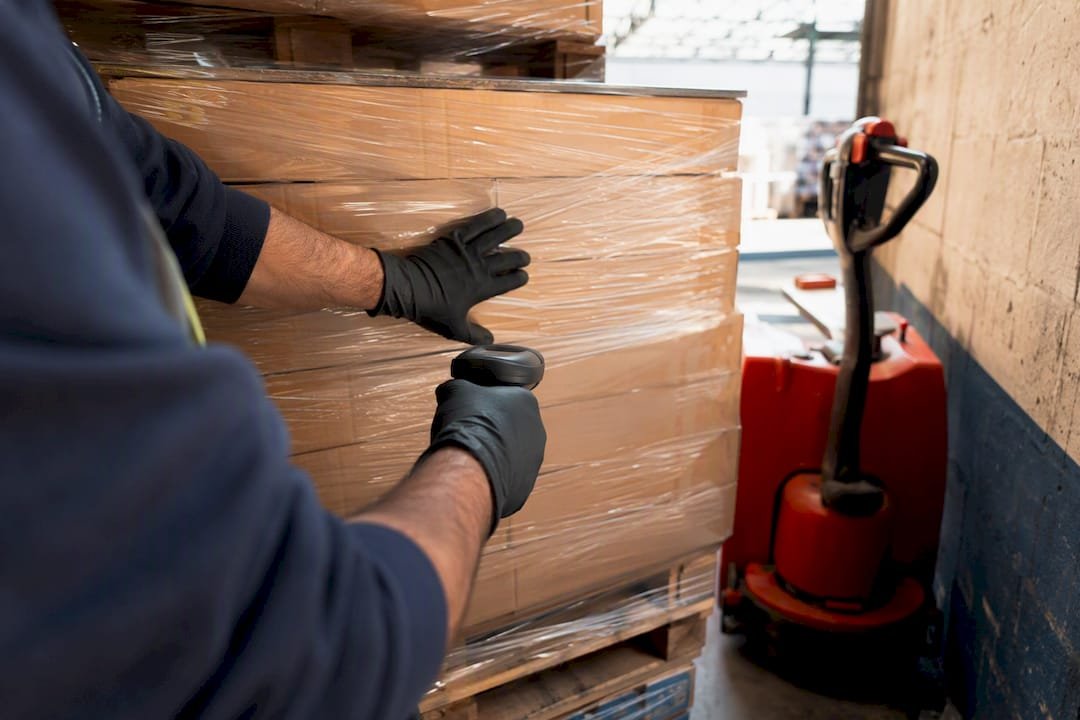
Register on Target Liquidation Auctions through B-Stock, secure a resale certificate, and only bid on lots that publish a full manifest. That’s the fastest legitimate path into buying Target pallets. Liquidation.com is a solid secondary marketplace with the same manifest transparency, and Mega Pallets Liquidation offers curated, buy-now Target pallet listings for buyers who’d rather skip the bidding entirely.
TL;DR:
- B-Stock’s Target Liquidation Auctions are the most reliable source, offering manifests, condition grades, and transparency, with verified origins and clear details.
- Bidding should be accompanied by careful calculation of landed cost, including premiums, freight, liftgate, and sales tax, with a 30-40% profit margin buffer.
- Always download and verify the manifest, inspect photos, and confirm condition grades before bidding, avoiding listings without detailed information or vague descriptions.
- Shipping costs can significantly affect profitability; consolidating multiple pallets and choosing regional pickup options help lower freight expenses.
- Cataloged buy-now pallets from Mega Pallets Liquidation provide a faster, lower-risk alternative for sourcing Target inventory without bidding delays.
Table of Contents
- Where to Buy Target Pallets Without Getting Burned
- How Auctions, Manifests, and Condition Grades Work
- How to Calculate True Cost on a Target Pallet
- Inspecting Pallets and Spotting Red Flags Before You Bid
- Shipping, Pickup, and How to Cut Freight Costs
- What Sells Fast: Resale Tactics That Protect Your Margin
- Mega Pallets Liquidation: A Lower-Risk Path Into Target Inventory
- Timeline: From Registration to Receiving Your First Pallet
- The Full Cost Picture: Taxes, Storage, and Hidden Fees
- Quick List: Marketplaces, Freight, and Manifest Resources
- Why the Conventional Auction Advice Misses the Point
- Skip the Auction Wait: Shop Cataloged Target Pallets Directly
- Sources
Where to Buy Target Pallets Without Getting Burned
Most resellers lose money before they ever open a pallet, usually because they bought from the wrong source. Target Liquidation Auctions on B-Stock is Target’s own official channel, and it’s the benchmark every other option gets measured against. Lots there typically come with manifests, published condition grades, and clear distribution center origins, so you know roughly what’s inside before you bid.
Liquidation.com is the next tier down in official-ness but still reputable. It aggregates lots from Target and other major retailers, and most listings include the same manifest transparency buyers expect from B-Stock. Beyond these two, a handful of established wholesalers publish manifests and operate transparently. Third-party brokers can be useful when you need smaller volume or faster turnaround than an auction allows, but treat them as a supplement, not a replacement, for the primary marketplaces.
Watch for these warning signs before you commit:
- Listings with no manifest or only a vague “assorted merchandise” description
- Sellers who won’t confirm the shipping origin or distribution center
- Deals advertised exclusively through social media DMs or private groups
- Pricing that seems too low for the claimed retail value
If a seller can’t answer basic questions about condition grading or manifest availability, walk away.
How Auctions, Manifests, and Condition Grades Work
A manifest is the single most valuable document in this business. It typically lists unit counts, SKUs or category breakdowns, and estimated retail value, giving you a real basis for calculating profit before you ever bid. B-Stock’s own guidance stresses checking manifests and condition grades carefully, since they directly shape what you can expect to resell.
Here’s what to know before your first bid:
- Manifested vs. unmanifested lots. Manifested lots cost more but reduce guesswork; unmanifested lots are cheaper but carry a real risk premium since you’re buying blind.
- Condition grades. New and open-box items resell close to retail; customer returns need functional checks; salvage lots are a gamble best suited for parts or bulk resale.
- Auction mechanics. Most auctions run with a reserve price, a published buyers premium (commonly around 10% on B-Stock), and a bidding window of a few days.
- Bidding cadence. Prices tend to spike in the final hour, so set your max bid in advance and stick to it.
How to Calculate True Cost on a Target Pallet
Your winning bid is never your real cost. The number that actually matters is landed cost per unit, calculated as:
(Winning bid + buyers premium + freight + liftgate/residential fees) ÷ number of units
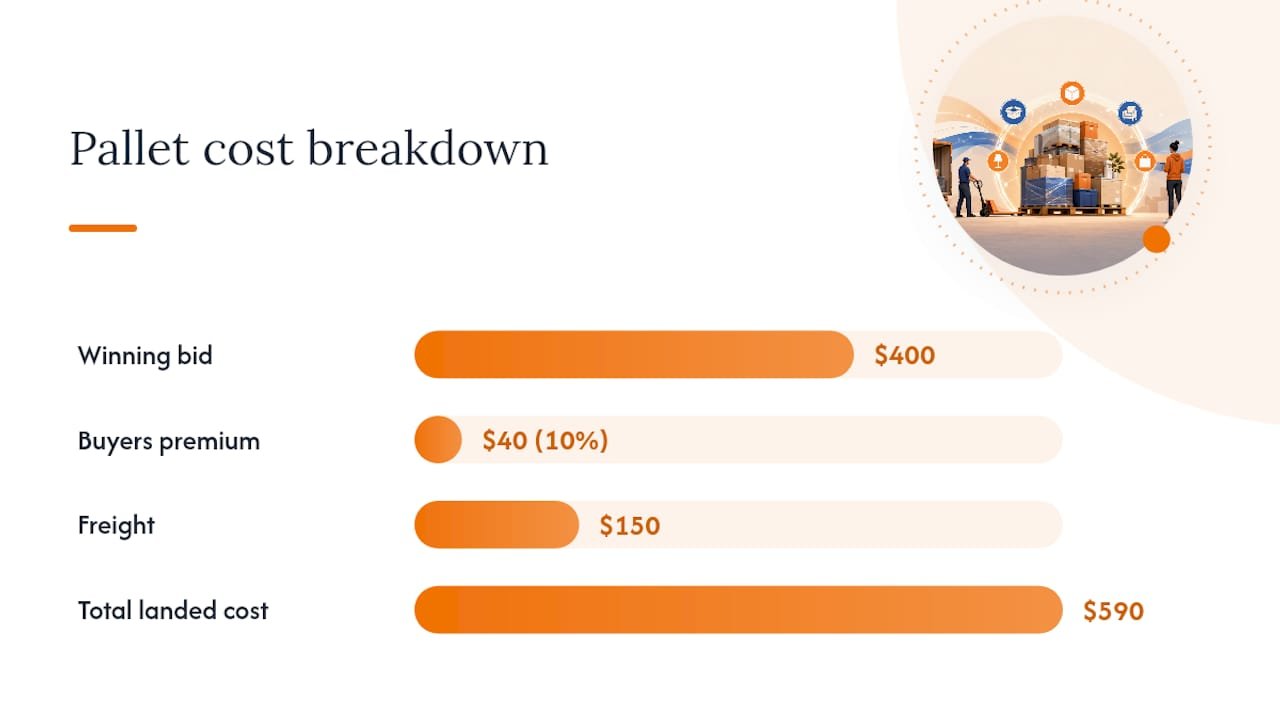
A $400 pallet with a 10% premium ($40), $150 freight, and no liftgate fee comes to $590 total. Split across 60 units, that’s roughly $9.83 per item. A larger truckload might run $4,000 all in, but if it holds 800 units, your per-unit cost drops to $5.00, even though the sticker price looks scarier.
Pricing across the market varies widely. Guides and marketplace data show small pallets can sometimes run under $500, while typical single pallets fall in the $200 to $1,500 range, and full truckloads can climb into the thousands.
Never leave these out of your math:
- Buyers premium (often 10%)
- Freight and fuel surcharges
- Liftgate fees for locations without a loading dock
- Residential delivery surcharges
- Sales tax on the purchase, where applicable
Pro Tip: Build a 30 to 40% margin buffer into your resale estimate before you bid. Experienced buyers treat this as standard practice, not a nice-to-have, because unexpected freight quotes and slower-than-expected sell-through eat into thin margins fast.
Inspecting Pallets and Spotting Red Flags Before You Bid
Before you commit money, pull every piece of information the seller offers. Download the manifest, study every listing photo closely, and confirm the condition grade in writing. Ask directly whether the pallet ships as a gaylord (loose bin) or stacked and shrink-wrapped, since that affects how much sorting work awaits you.
Treat these as deal-breakers:
- No manifest available on request
- Condition descriptions that are vague (“mixed condition, various”) with no detail
- Manifest values that look inflated compared to real resale comps
- Sellers who refuse pickup, inspection, or basic questions about DC origin
Pro Tip: Choose pickup at the distribution center whenever it’s an option. You skip freight risk entirely, and you can often do a quick visual check of the pallet before it leaves the dock.
Buying only from marketplaces with a track record of publishing manifests remains the single strongest protection against a surprise loss, according to buyer guidance from BStalker.
Shipping, Pickup, and How to Cut Freight Costs
Freight is where a good deal quietly turns bad. Truckload shipments move the most volume per dollar but require a loading dock or liftgate at delivery. LTL (less than truckload) shipping suits single pallets but usually costs more per unit. Standard pallets in this industry typically measure 48 by 40 inches, which most freight carriers quote by default.
Liftgate fees apply anytime the delivery address lacks a dock, and residential delivery adds another surcharge on top. When requesting a freight quote, have your zip code, pallet weight, dimensions, and delivery type (dock vs. residential) ready. That information alone can shift a quote by hundreds of dollars.
To keep freight costs down:
- Pick up directly from the distribution center when it’s listed as an option
- Consolidate multiple pallets into one shipment instead of ordering separately
- Use regional freight brokers who often beat national carrier rates
- Schedule off-peak delivery windows, which sometimes reduces liftgate fees
B-Stock’s guidance notes that Target auction lots commonly ship from distribution centers in cities like Elkridge, Taylors, Waco, Compton, Hagerstown, Savannah, Goodyear, and Indianapolis, so your distance from those hubs matters more than most buyers realize when comparing bids.
What Sells Fast: Resale Tactics That Protect Your Margin
Apparel, seasonal decor, small home goods, and select electronics tend to be the fastest-moving categories inside Target pallets. Buying seasonal merchandise right after the season ends, holiday decor in January, gives you months of lead time to prep inventory before the next buying window opens.
Before listing anything, run through basic prep work:
- Remove store labels and security tags (delabeling)
- Test electronics for basic function before photographing them
- Clean items and shoot clear, well-lit photos
- Group similar items together to speed up buyer decisions
For pricing, check sold comps on the platform you’re selling through rather than guessing at retail value. AARP’s guidance on selling online reinforces that clear photos and honest condition descriptions consistently move items faster than aggressive pricing alone.
Pro Tip: Delabeling isn’t optional if you’re selling on marketplaces that prohibit resale of items still bearing store-specific security tags or barcodes. Skipping this step can get a listing pulled entirely.
Mega Pallets Liquidation: A Lower-Risk Path Into Target Inventory
If bidding against other resellers isn’t your style, Mega Pallets Liquidation offers a cataloged alternative. Instead of waiting on an auction clock, you browse fixed listings, check what’s included, and check out directly.
Current Target pallet listings include:
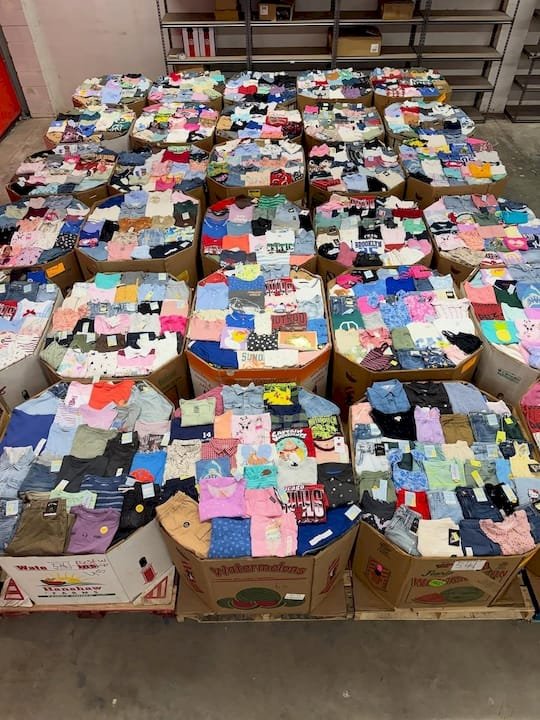
- Target Kids’ Clothing Pallets, suited to resellers targeting family and kids’ apparel markets
- TGT Bin Store HPC Pallet, a mixed home and personal care lot built for bin store and general merchandise resale
- Amazon & Target Electronics Pallet (70 Items), combining higher-value electronics from both retailers into one lot
Ordering follows a straightforward path outlined on the How To Order page: pick a pallet, review the listing details, and check out through secure payment processing.
Pro Tip: If you’re new to pallet buying, a cataloged buy-now listing removes the guesswork of auction timing while you learn how to read manifests and grade condition.
Timeline: From Registration to Receiving Your First Pallet
Buying a Target pallet isn’t instant, but it moves faster than most first-timers expect. Here’s roughly what the process looks like start to finish.
Day 1: Registration. Sign up on B-Stock or Liquidation.com, submit your resale certificate and business information, and wait for account approval, which typically takes a day or two.
Days 2 to 5: Browsing and bidding. Once approved, you can browse active Target lots, download manifests, and place bids. Auctions on B-Stock commonly run for a few days, so this stage involves watching the bidding cadence and setting your max bid ahead of the closing window.
Day 5 to 7: Winning and payment. If you win, you’ll receive an invoice covering the winning bid plus buyers premium. Payment is usually due within a short window, often 24 to 48 hours, so have funds ready before you bid.
Days 7 to 10: Freight arrangement. After payment clears, you either schedule pickup at the distribution center or arrange freight through the marketplace’s shipping tools or your own carrier. This is where you lock in liftgate and residential fees if they apply.
Days 10 to 20: Delivery. Freight transit time depends heavily on distance from the shipping DC. Cross-country shipments can take one to two weeks; regional pickups can arrive in days.
Buy-now listings, like those on Mega Pallets Liquidation, compress this timeline significantly since there’s no auction or bidding window to wait through.
The Full Cost Picture: Taxes, Storage, and Hidden Fees
Purchase price and freight get most of the attention, but they’re not the whole picture. Sales tax applies to most pallet purchases depending on your state and resale certificate status, so confirm your exemption paperwork is current before you start bidding regularly.
Storage is the cost most new buyers forget entirely. A single pallet fits in a garage, but scaling up to two or three truckloads a month means you need real warehouse or storage unit space, and that monthly rent needs to factor into your per-unit cost math just like freight does. If inventory sits unsold for months waiting for a seasonal window, that’s carrying cost eating into your eventual margin, even if it never shows up on an invoice.
Import duties generally don’t apply here since Target liquidation inventory sources domestically, but if you’re ever offered pallets claiming international origin, treat that as a red flag worth investigating before you bid.
Other costs worth budgeting for include:
- Business licensing or resale certificate renewal fees
- Packaging and shipping supplies for resale
- Platform or marketplace fees when you list items for sale
- Labor, whether that’s your own time or hired help for sorting and prepping inventory
None of these individually break a deal, but stacked together they can turn a pallet that looked profitable on paper into a break-even project.
Quick List: Marketplaces, Freight, and Manifest Resources
Start with Target Liquidation Auctions for official, manifested lots straight from Target. Liquidation.com offers a comparable selection of Target pallets with similar transparency standards. For freight quotes, most marketplaces provide built-in shipping calculators once you have pallet weight and delivery zip code ready. Manifest-reading skills improve fastest by comparing a few real manifests side by side before your first bid, paying close attention to how estimated retail value lines up with unit counts.
Why the Conventional Auction Advice Misses the Point
Most guides to buying Target pallets treat the auction itself as the hard part. It isn’t. The hard part is discipline after you’ve already fallen in love with a manifest that lists $8,000 in “estimated retail value” for a lot you’re eyeing at $600.
That gap between manifest value and real resale value is where new buyers get hurt, not at the bidding stage. A manifest’s estimated retail number is a starting point, not a promise, and treating it as gospel is how a buyer ends up with a garage full of unsellable customer returns. The buyers who do well long-term are the ones who price conservatively, build in that margin buffer before bidding, and treat freight and buyers premium as part of the actual cost, not an afterthought tacked on after the invoice arrives.
If there’s one thing worth prioritizing above all else, it’s manifest literacy. Learn to read one properly before you scale up volume. Buy-now cataloged options remove some of that pressure while you build the skill, which is exactly why they’re worth considering early on, not just as a fallback for buyers who dislike auctions.
— Nene
Skip the Auction Wait: Shop Cataloged Target Pallets Directly
Auctions demand patience, competitive bidding, and a willingness to lose lots you’ve already priced out mentally. Mega Pallets Liquidation gives you a faster route: browse fixed, cataloged Target pallet listings and check out immediately, no bidding war required.
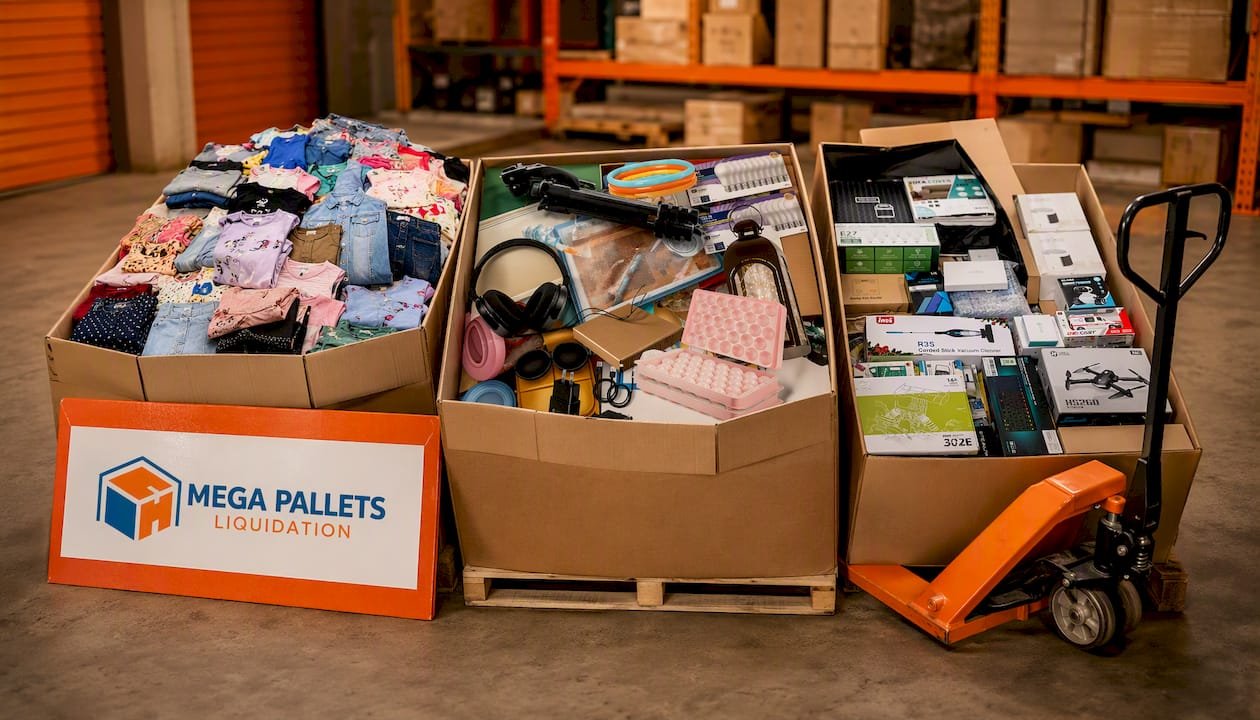
Every listing includes clear product details so you know what you’re buying before checkout, backed by secure payment processing and nationwide shipping. Whether you’re building out an apparel resale line or looking for higher-value electronics inventory, the current pallet catalog covers multiple categories beyond Target sourcing too, including tools, kitchen goods, and general merchandise. If you’re ready to secure your first lot, review the ordering process and browse the Target Kids’ Clothing Pallets listing to get started today.
Sources
- Where & How to Buy Target Return Pallets – B-Stock Solutions
- Liquidation
- Target pallets for sale: How much & where to find them (WikiHow)
Recommended
- Wholesale General Merchandise Pallets: Unbeatable Resale Value & Variety
- Grocery Pallets Wholesale Mixed : Unbeatable Bulk Food & Household Essentials
- 5 Pallet Resale Mistakes New Resellers Make & How to Avoid Them
- Amazon & Target Electronics Pallet Wholesale (50–70 Items) | Mixed Brand Electronics Bulk Lot | Amazon & Target electronics pallet for sale