Blog
Save Your Pallet Freight Claims, U.S. Logistics Managers: 5 Business Days, 9 Months

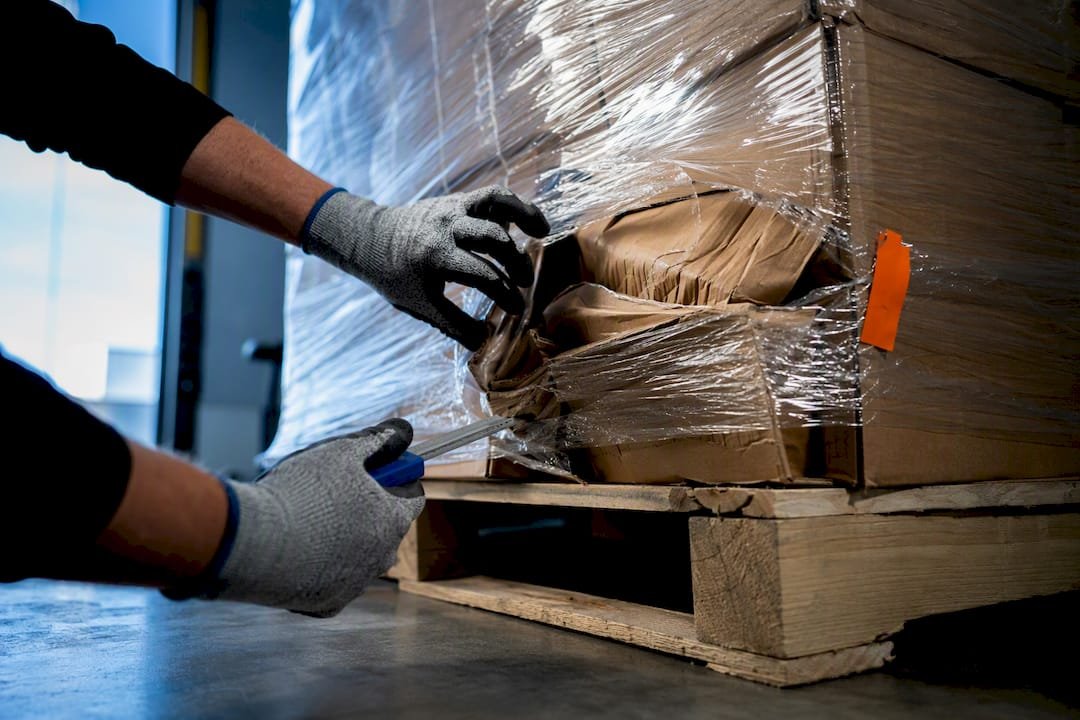
The moment a damaged pallet hits your dock, three things need to happen before anyone signs anything: document the damage in writing on the proof of delivery, photograph the load and packaging before it moves again, and notify the carrier in writing. You have 5 business days to report concealed damage and request a joint inspection, and 9 months to file the formal written claim. Miss either deadline and you likely forfeit your right to recover a cent.
TL;DR:
- Proper documentation, including photos before shipment and detailed damage notations at delivery, are critical to successful freight damage claims.
- Claims must be reported within five business days for concealed damage and filed within nine months, or the carrier may deny recovery.
- Proper palletization, secure packaging, and correct handling significantly reduce damage rates and improve claim acceptance chances.
- Visible damage should be documented thoroughly at delivery, with specific notes and photos, before signing the proof of delivery to prevent claim denial.
- Maintaining complete, organized documentation and timely communication with carriers improve the likelihood of claim approval and fair compensation.
Table of Contents
- Freight Damage Claims for Pallets: What the Numbers Actually Look Like
- What Actually Causes Pallet Damage in Transit?
- What Should Your Receiving Team Do When a Pallet Arrives Damaged?
- How Do You Handle Damage You Didn’t Notice Until After Delivery?
- What Documents Do You Need to File a Freight Claim?
- Why Do Carriers Deny Pallet Damage Claims, and How Do You Respond?
- How Can You Reduce Pallet Damage Before It Happens?
- Mega Pallets Liquidation’s Take on Freight Damage Claims
- Get Reliable Pallets and Support When You Need It
- Where to Verify These Rules Yourself
- Sources
Freight Damage Claims for Pallets: What the Numbers Actually Look Like
Before you build a claim packet, it helps to know what a realistic timeline and realistic odds look like. LTL carriers process thousands of pallet claims a year, and the process follows a fairly predictable rhythm once you understand it.
By the numbers: Carriers typically acknowledge a filed claim within about 30 days and aim to resolve it within 60 to 120 days. Damage occurs in a small percentage of shipments across multi-terminal LTL networks, which can become significant when shipping many pallets monthly.
Here’s the timeline that matters most, condensed:
- At delivery: Note every damage detail on the POD before signing. A clean signature with no notations is the single fastest way to lose a claim.
- 60 to 120 days after filing: Expect a carrier decision, though complex claims can run longer.
Per-incident costs vary wildly depending on commodity value, but the pattern holds across categories: the shipments that recover full value are almost always the ones with clean documentation trails, not the ones with the strongest argument after the fact.
What Actually Causes Pallet Damage in Transit?
Pallet freight typically changes hands four to six times between origin and final delivery in a standard LTL network. Every transfer, whether by forklift, pallet jack, or conveyor, is a chance for something to shift, crush, or puncture.
Three categories account for most damage claims:
- Handling exposure. Multiple terminal transfers mean multiple lift-truck impacts, and a fork strike on a lower carton often goes unnoticed until the box is opened.
- Packaging and palletization failures. Overhang beyond the pallet edge, cartons with inadequate crush strength, thin or improperly applied stretch wrap, and missing corner protectors are the leading physical causes carriers point to when denying claims.
- Environmental and commodity risk. Humidity swings inside a trailer, compression from stacked freight, and fragile electronics packed without adequate cushioning all raise the odds of loss.
Freight carriers and packaging specialists agree that correct palletization, adequate stretch wrap, and corner boards materially reduce damage rates in networks that route freight through multiple terminals. That’s not a minor detail. It’s the difference between a claim a carrier pays without argument and one they fight for months.
Pro Tip: Take photos of every pallet before it leaves your dock, not just when something goes wrong. Origin photos are the single most persuasive piece of evidence you can produce if a carrier later argues the damage happened before pickup.
What Should Your Receiving Team Do When a Pallet Arrives Damaged?
Visible damage at delivery is the easier scenario to handle, but only if your receiving team follows a consistent sequence. Improvise this step and you’ll hand the carrier an easy denial.
- Inspect before signing anything. Check for shrink-wrap tears, leaning or shifted stacks, crushed corners, wet stains, and mismatched or broken seal numbers against the bill of lading.
- Write specific notations on the POD. Skip vague language like “damaged goods.” Instead, note quantities and damage types, for example: “2 of 12 cartons crushed, top left corner, contents may be affected” or “pallet leaning 15 degrees, shrink wrap torn on two sides.”
- Photograph everything before touching the load. Capture a wide shot of the trailer interior, a pallet-level shot showing the full load, a close-up of the shipping label and PRO/BOL number, and tight close-ups of each damaged area.
- Preserve the packaging and segregate damaged units. Don’t discard cartons, wrap, or dunnage. Move damaged pallets to a separate area so they aren’t mixed back into inventory.
- Contact the carrier the same day. Call or email the delivering terminal, reference the PRO number, and formally request an inspection. Get a name and reference number for that call.
Pro Tip: Assign one person per shift as the “damage documentation owner.” When responsibility is diffuse, photos get skipped and POD notations get rushed. When one person owns it, the paperwork is consistent every time.
Carriers routinely list a signed POD with specific damage notations as a required document for any claim, and for good reason. A vague or missing notation is the first thing a claims adjuster checks.
How Do You Handle Damage You Didn’t Notice Until After Delivery?
Concealed damage is the trickiest category because the packaging looked fine at delivery, but the contents inside a carton or shrink-wrapped case turn out crushed, cracked, or broken once someone opens it. Legally, this is treated differently than visible damage, and the rules are stricter.
A clean POD, signed without notations, creates a presumption that the freight arrived in good condition. That presumption is exactly what you need to overcome, and the 5-business-day written notice requirement exists to give you a narrow window to do it. Notify the delivering carrier in writing and request a joint inspection within that window, and the burden shifts back toward the carrier to prove the damage didn’t happen in transit.
- Photograph the unopened packaging and the damaged contents together, side by side.
- Retain every box, pallet wrap, and dunnage piece exactly as found.
- Send written notice referencing the PRO number, BOL, and delivery date, and explicitly request a joint inspection.
- Log the date and time of discovery and every subsequent communication with the carrier.
Many shippers misread the 5-day rule as the claim deadline itself. It isn’t. It’s the window that preserves your legal presumption of in-transit damage, separate from the 9-month formal filing deadline. Miss the 5 days and you can still file within 9 months, but you’ll be fighting an uphill argument about when the damage actually occurred. If you’re already past the window, gather origin photos, manufacturing quality-control records, and any witness statements from your receiving staff. Carriers sometimes settle concealed-damage claims for a reduced fraction of full value absent strong documentation, so the quality of what you can produce after the fact directly affects the payout.
What Documents Do You Need to File a Freight Claim?
A complete claim packet moves faster and gets paid more often than a partial one. Carriers process thousands of these, and an adjuster who has to chase you for missing paperwork is an adjuster who puts your file at the bottom of the pile.
Assemble these before you file:
- Original bill of lading (BOL) showing the shipment terms and description.
- Signed proof of delivery with the specific damage notations made at receipt.
- Commercial invoice showing the value of the goods.
- Packing list detailing quantities and item descriptions.
- Repair or replacement estimates from a vendor or repair shop where applicable.
- Photographs covering the full documentation set: wide trailer shots, pallet-level shots, label and PRO/BOL close-ups, and damage close-ups.
- Salvage bids, if you’re disposing of or discounting damaged goods.
- Paid freight bill, if the carrier requires proof that shipping charges were settled.
Calculate your claimed amount using replacement cost or invoice value, whichever your contract terms specify, and subtract any salvage value you recover from discounted resale. Overstating the claim is one of the fastest ways to invite scrutiny and delay.
Most major carriers accept claims through an online portal or certified mail, and electronic filing generally moves faster. Expect acknowledgement within roughly 30 days and resolution within 60 to 120 days. If you carry separate cargo insurance, coordinate early: high-value pallets sometimes recover faster through an insurer than through the carrier’s own claims process, especially when carrier liability limits fall short of full replacement value.
Why Do Carriers Deny Pallet Damage Claims, and How Do You Respond?
Carriers deny claims for reasons that are almost always preventable on the front end, which is exactly why prevention and documentation matter more than clever arguing after the fact.
The most common denial reasons: a clean POD signed without notations, packaging the carrier argues was inadequate for the commodity, missing required documents, disposal of damaged packaging before inspection, and notice filed after the 5-day concealed-damage window or the 9-month formal deadline. Each one hands the carrier a straightforward, defensible reason to say no.
- Request the denial in writing. Carriers must state a specific reason, and a vague denial is easier to challenge.
- Fill documentation gaps immediately. Supply anything missing: photos, invoices, repair estimates, or a joint inspection report.
- Get an independent inspection if the carrier’s own assessment seems inconsistent with your evidence.
- Produce origin QC photos and salvage valuations to rebut a packaging-inadequacy argument.
- Escalate internally, then externally. Push the claim up through your carrier contact or 3PL, involve your cargo insurer if applicable, and consider mediation or arbitration before litigation.
Pro Tip: Keep every piece of correspondence with timestamps, even the ones that seem routine. A pattern of delayed carrier responses is itself useful leverage if you end up in arbitration.
Litigation is rarely worth it below a few thousand dollars once you factor in time and legal cost, but for high-value pallets, especially electronics or specialty goods, it can be the right call if a carrier stonewalls a well-documented claim. Weigh the claim’s size against the resolution effort before deciding.
How Can You Reduce Pallet Damage Before It Happens?
The cheapest claim is the one you never have to file. Every prevention step below directly counters one of the denial reasons carriers use most often.
- Build pallets correctly. No overhang past the pallet edge, balanced weight distribution, the right pallet size for the load, and banding or strapping for anything heavy.
- Wrap and secure properly. Use adequate stretch-wrap film gauge, add corner boards on box edges, apply top sheets, and block or brace loose items inside the load.
- Choose the right packaging. Match carton crush strength (ECT/CTC rating) to the weight stacked above it, add cushioning for fragile electronics, and use moisture barriers for humidity-sensitive goods.
- Photograph at origin. A dated photo of the completed, wrapped pallet before pickup is your strongest defense against a packaging-inadequacy denial.
- Train receiving staff on the checklist. Consistency at the dock matters more than any single tool.
- Vet carriers by damage history where you have a choice, and consider declared value coverage or separate cargo insurance for high-value pallets like electronics or specialty inventory.
Pro Tip: If you regularly ship fragile or high-value pallets, price out cargo insurance against the carrier’s default liability limit. The gap between the two is often larger than shippers expect, especially for electronics.
Mega Pallets Liquidation’s Take on Freight Damage Claims
Damage claims tend to get treated as paperwork problems. They’re actually documentation problems, and the difference matters. A shipper who photographs a pallet at origin, insists on specific POD notations, and files within the federal windows recovers far more often than one who has a technically valid claim but weak evidence.
Megapalletsliquidation works with resellers, retailers, and entrepreneurs sourcing bulk inventory from Amazon return pallets, electronics, clothing, cosmetics, tools, and kitchen appliances across the country, which means shipping damage is a real and recurring variable in this business, not an edge case. Because pallets in this space often mix fragile items with sturdier merchandise, the packaging and documentation habits described above aren’t optional extras. They’re the difference between a profitable lot and a write-off.
Buyers who understand the claims process before they need it are the ones who actually use their nine-month window instead of losing it to a signed-away POD.
— Nene
Get Reliable Pallets and Support When You Need It
Knowing how to file a claim matters less if the pallets you’re buying were packed and shipped with damage prevention in mind from the start. Some suppliers ship bulk liquidation inventory nationwide with handling guidance built into the process, so buyers aren’t left guessing how to inspect a load or what to document before signing.
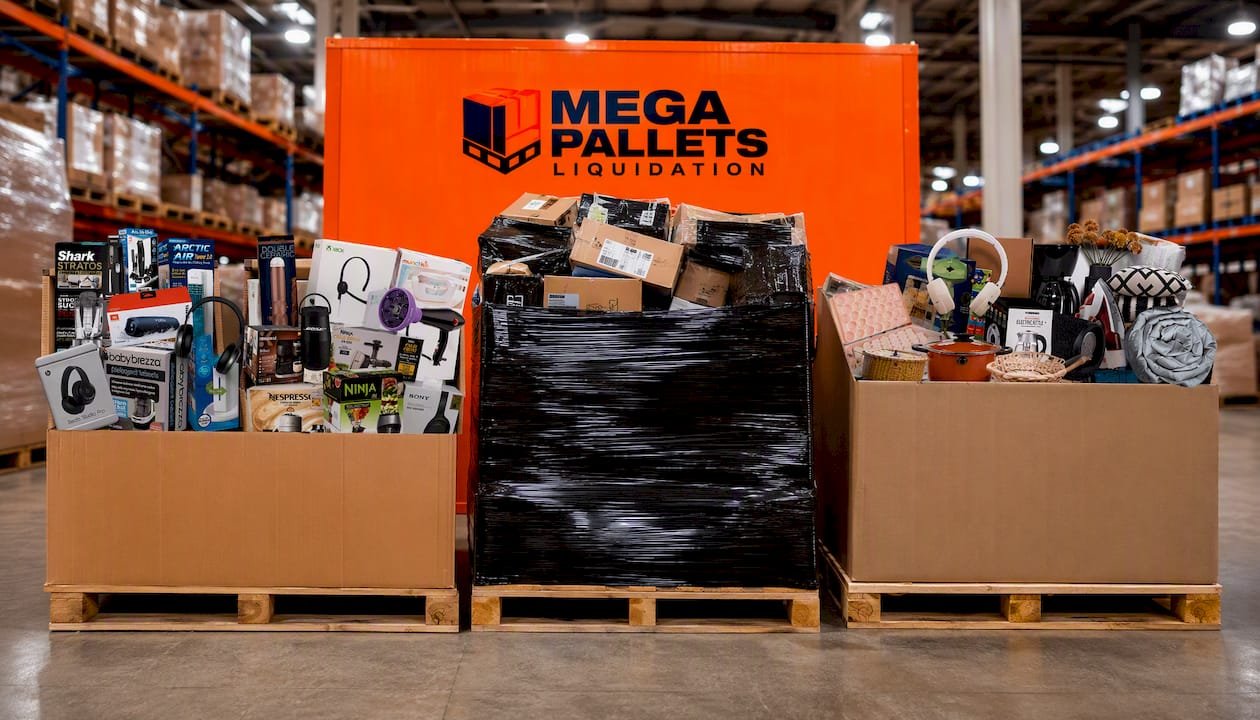
If you’re building out an electronics resale line, the TGT Electronics Pallet is packed with the higher-standard cushioning that fragile goods demand. Buyers looking for volume and variety often go with the Ecom Undeliverables MONSTER Truckload, a mixed-inventory load worth inspecting carefully pallet by pallet on arrival. For higher-value, fragile-item lots, the AMZ Premium HPC Pallet is a common pick among buyers who also carry declared value coverage given the resale value at stake.
Review the shipping and delivery details before your pallet ships so your team knows exactly what to check at the dock, and read the returns and refund policy so you understand how damage discovered after delivery is handled on our end. If you run into an issue documenting a delivery, contact our support team and we’ll help you sort out next steps.
Where to Verify These Rules Yourself
Federal claims-handling rules live in 49 CFR Part 370, the source for the 5-day and 9-month windows. For real-world submission formats, FedEx Freight’s cargo claims page and ARC’s loss and damage claims guidance show exactly what carriers expect in a claim packet.