Blog
$200–$400 Starter Pallets: Landed Cost Playbook for Resellers

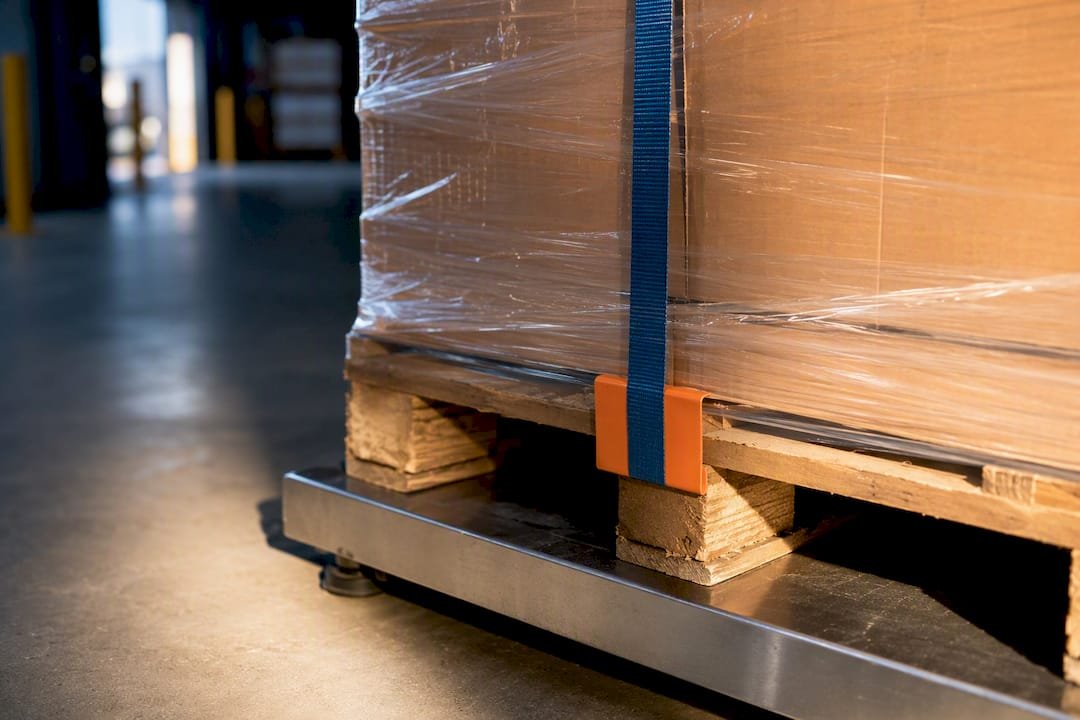
A single Amazon return pallet typically costs $100 to $500 for mixed general merchandise, $800 to $1,500 or more for electronics, and as little as $50 to $150 for smaller mystery boxes. That purchase price is only the starting point.
TL;DR:
- Mixed general merchandise pallets typically cost between $100 and $800, with electronics often exceeding $1,000 due to higher resale value.
- Manifested pallets tend to be more expensive but offer lower risk and more reliable profit margins than mystery boxes.
- Shipping costs, freight surcharges, and buyer’s premiums can easily add 30% to 50% to the overall landed cost.
- Bidding strategies and auction timing significantly impact final prices, with less competitive, off-peak bids often securing better deals.
- Starting with a $200 to $400 manifest pallet and a total budget around $1,000, including freight and fees, creates a safer entry point for new resellers.
Table of Contents
- How Much Is an Amazon Pallet, and What Drives the Price?
- Landed Cost Breakdown: A Step-by-Step Model You Can Use Now
- Manifested vs. Mystery Pallets: Which Type Fits Your Budget?
- How to Read a Manifest and Set a Maximum Bid
- Shipping, Logistics, and How Freight Affects Total Cost
- What Return Rates and Risks Should You Expect?
- Where to Buy Legitimate Amazon Pallets (and a Buying Checklist)
- Typical Pallet Size and Weight Specifications Influencing Cost
- How Auction Timing and Bidding Strategies Affect Final Price
- Payment Methods and Terms When Purchasing Amazon Pallets
- Return Policies or Buyer Protections When Buying Pallets
- Beyond “Reputable”: How to Actually Vet a Pallet Seller
- Where Should New Resellers Actually Start?
- Start Sourcing Smarter With Mega Pallets Liquidation
- Sources
How Much Is an Amazon Pallet, and What Drives the Price?
Price bands for Amazon liquidation pallets vary enormously depending on category, condition, and manifest quality. A mixed general merchandise pallet, the entry point for most new resellers, often starts in the low hundreds of dollars and can climb toward $800 depending on the listed retail value and item count. Electronics pallets sit in a different tier entirely, frequently exceeding $1,000 because a single working laptop or tablet can carry more resale value than an entire pallet of clothing. Mystery boxes and smaller case lots, meanwhile, can run as low as $50 to $150, but you’re trading price for information. You have no idea what’s inside until you open it.
Several factors move these numbers up or down:
- Auction versus fixed price: Auction-format pallets can go for less than sticker price during slow weeks, but competitive bidding on desirable lots pushes final prices well above the opening bid.
- Manifest clarity: A pallet with a detailed SKU-level manifest almost always costs more than an unmanifested “mystery” load, because buyers pay a premium for reduced uncertainty.
- Category demand: Electronics, tools, and name-brand apparel command higher prices than generic housewares or seasonal overstock.
- Seasonality: Prices on toy and apparel pallets spike ahead of the holidays and drop again in January and February as retailers clear space.
- Condition grade: Pallets marked as new or shelf-pulls price higher than customer-return pallets with visible damage or missing packaging.
One warning belongs at the top of your research list. If you see a listing advertising a full pallet for $20 or $30, treat it as a red flag rather than a deal. The Federal Trade Commission has flagged this exact pattern as a common scam setup, and legitimate B2B liquidation pricing simply doesn’t start that low. Real pallets, even modest mixed lots, start in the low hundreds.
Landed Cost Breakdown: A Step-by-Step Model You Can Use Now
Purchase price is just one line item in what actually lands in your bank account as cost. Skipping the rest of the math is the single most common reason new buyers lose money on their first few pallets.
Here’s the full model, broken into the components that matter:
- Base purchase price — the winning bid or listed price, typically in the low hundreds for mixed pallets, and higher for electronics.
- Buyer’s premium — many auction platforms tack on a percentage fee, often disclosed only at checkout, so confirm it before bidding.
- Freight/shipping — individual pallets commonly run $150 to $300 via LTL carriers, depending on distance and pallet weight.
- Sorting and testing labor — your time or an employee’s time spent inspecting, testing electronics, and separating sellable inventory from scrap.
- Repair or refurbishment costs — relevant mostly for electronics and tools with cosmetic damage or missing accessories.
- Marketplace and payment fees — the cut taken by whichever platform you resell through.
Quick math: A $300 mixed pallet with a $250 freight bill and a 10% buyer’s premium ($30) lands at $580 before you’ve sorted a single box. Industry guidance from WeAreWarp puts total added fees at 30% to 50% over base price, which tracks closely with that example.
Hidden fees deserve their own scrutiny. Some sellers quote a low hammer price then disclose freight, storage, or “handling” charges only after you’ve committed to buy. Always ask for the full fee schedule in writing before bidding, and build a buffer into your bid ceiling for anything not explicitly itemized. Non-compliance issues, like items that can’t legally be resold due to recalls or missing labeling, also eat into recovery. Budget a small percentage of each pallet’s value as a write-off for exactly this reason.
Manifested vs. Mystery Pallets: Which Type Fits Your Budget?
The single biggest pricing lever in this business isn’t category. It’s whether the pallet comes with a manifest at all.
Manifested pallets list every SKU, quantity, and often the original retail value of each item. They cost more upfront, but the variance in what you actually receive is much lower, which makes your margin math far more reliable. If you’re new to reselling, manifested lots are the safer place to learn.
Mystery pallets skip the manifest entirely. You’re buying based on category description and maybe a photo or two. Some platforms price these under $200 specifically because the seller isn’t disclosing contents, but that lower sticker price often comes with a higher effective cost per sellable item once you factor in dead stock.
Beyond manifest status, size matters too:
- “Smalls” pallets pack more individual units into a single load, which is common for cosmetics, toys, and small electronics accessories. Expect more sorting time but often better per-item margins.
- “Bigs” pallets hold fewer, larger items, like appliances or furniture. Sorting is faster, but damage on a single big item hurts your bottom line more.
- Apparel pallets trade well through flea markets and bulk resale channels; a clothing pallet usually offers predictable per-unit costs since garments are easier to grade than electronics.
- Electronics pallets carry the highest price tags and the highest reward, but also the highest testing burden, since a single dead unit can represent real lost value.
- Tool pallets tend to hold value well because power tools have durable secondhand demand, even with cosmetic wear.
How to Read a Manifest and Set a Maximum Bid
A manifest is only useful if you know how to translate it into a number you can actually bid against. Retail value on paper and real resale value are two very different things.
- Scan for SKU-level detail. A manifest that lists brand, model number, and quantity per item is far more trustworthy than one with vague category labels like “assorted electronics.”
- Flag high-value items separately. A pallet manifest showing three or four items worth $200+ retail each can shift your entire bid calculation, but only if those items are genuinely sellable, not discontinued or recalled.
- Discount retail value aggressively. Most resellers use somewhere between 15% and 30% of stated retail value as a realistic average resale estimate, adjusting up for electronics in good condition and down for apparel or damaged goods.
- Apply the bid ceiling formula. Estimated resale value × your target recovery rate, minus freight, buyer’s premium, and fees, equals your maximum bid. If a manifest suggests $1,200 in realistic resale value and your fixed costs run $400, don’t bid past roughly $500 to $600 if you want real margin left over.
- Watch for red flags. No manifest at all, retail values that seem inflated, high-value claims with no serial numbers or model details, or a seller who won’t confirm buyer’s premium upfront are all reasons to walk away.
Pro Tip: Build a simple spreadsheet with columns for manifest retail value, your discount percentage, and running total. Reusing it across every pallet you evaluate turns a guessing game into a repeatable habit within a few purchases.
Shipping, Logistics, and How Freight Affects Total Cost
Freight is often the most underestimated line item in the entire purchase, and it can quietly erase your margin if you don’t plan for it upfront.
For single pallets, less-than-truckload (LTL) shipping is standard, and rates commonly fall in the $150 to $400 range depending on distance and pallet weight. Buying multiple pallets at once and shipping via full truckload (FTL) usually drops the per-pallet freight cost significantly, which is one reason experienced buyers scale up once they’ve proven a category works.
A few extra charges routinely surprise first-time buyers:
- Liftgate fees apply if you don’t have a loading dock, often adding $50 to $150.
- Residential delivery surcharges kick in if the pallet is delivered to a home address instead of a commercial one.
- Inside delivery fees apply if the carrier has to move the pallet past the curb.
To keep freight costs down, consider local pickup when a warehouse is within driving distance, consolidate multiple pallets into one shipment whenever possible, and ask carriers directly about off-peak scheduling discounts. Even a small negotiation on freight terms can be the difference between a profitable pallet and a break-even one.
What Return Rates and Risks Should You Expect?
Every pallet includes some percentage of items that won’t sell, whether from damage, missing parts, or simple lack of demand. Experienced resellers build this into their margin models from day one rather than treating it as a surprise.
Operational costs beyond the purchase price also eat into profit: sorting time, testing electronics before listing, repair costs on tools or appliances, and the listing fees charged by whatever resale channel you use. Channel choice itself involves a tradeoff. Faster-moving channels often charge higher fees, while slower, lower-fee channels tie up your cash and warehouse space longer.
Practical safeguards that experienced buyers rely on:
- Start with small test buys in a single category before committing to larger volume.
- Focus on one or two categories you understand well rather than spreading thin across everything.
- Turn inventory quickly. Items that sit for months lose value and tie up capital you could reinvest.
- Track your actual recovery rate per pallet type so future bids are based on real data, not hope.
Pro Tip: Sort and list new inventory within 72 hours of arrival whenever possible. Fast turnaround consistently improves recovery rates and cuts down on storage costs eating into thin margins.
Reseller forums are full of wildly different experiences with return pallets, from big wins to total losses, and that variability is real. Treat those anecdotal reports as color, not data, and lean on your own manifest-based math instead.
Where to Buy Legitimate Amazon Pallets (and a Buying Checklist)
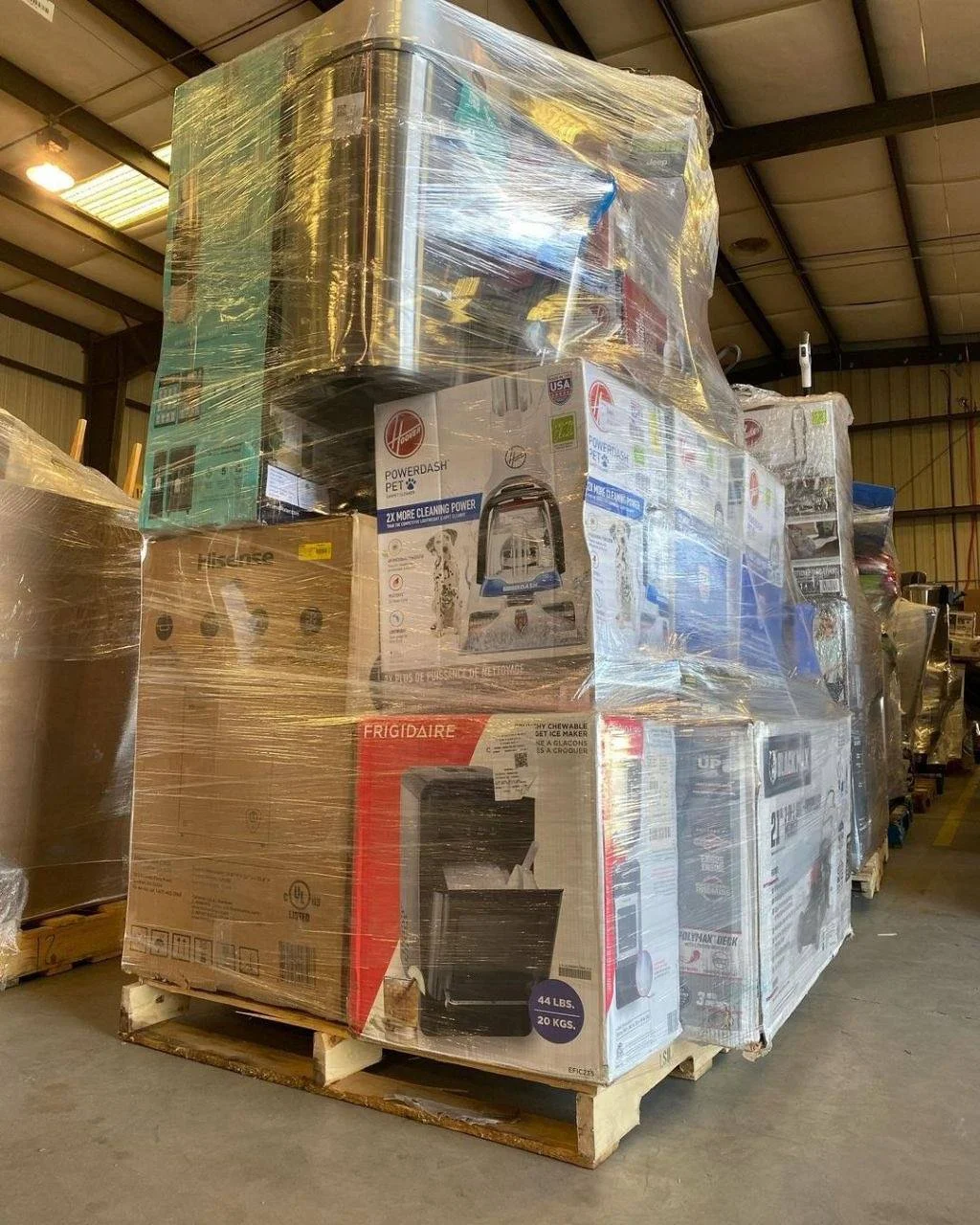
Reputable liquidation marketplaces and direct liquidators are the two main channels for sourcing Amazon pallets. Marketplaces aggregate listings from multiple sellers and often include buyer protections like manifest disclosure requirements, while direct liquidators, including Mega Pallets Liquidation, sell inventory straight from their own warehouse stock with more control over consistency and support.
Before you commit to any pallet, whichever channel you’re buying from, run through this checklist: confirm a manifest exists and review it line by line, ask for actual photos of the pallet rather than stock images, get buyer’s premium and freight costs in writing before bidding, verify the seller has a physical business address and a track record of reviews, and confirm what happens if the pallet arrives significantly different from its description. If a seller can’t answer all five points clearly, treat that as a reason to look elsewhere.
Typical Pallet Size and Weight Specifications Influencing Cost
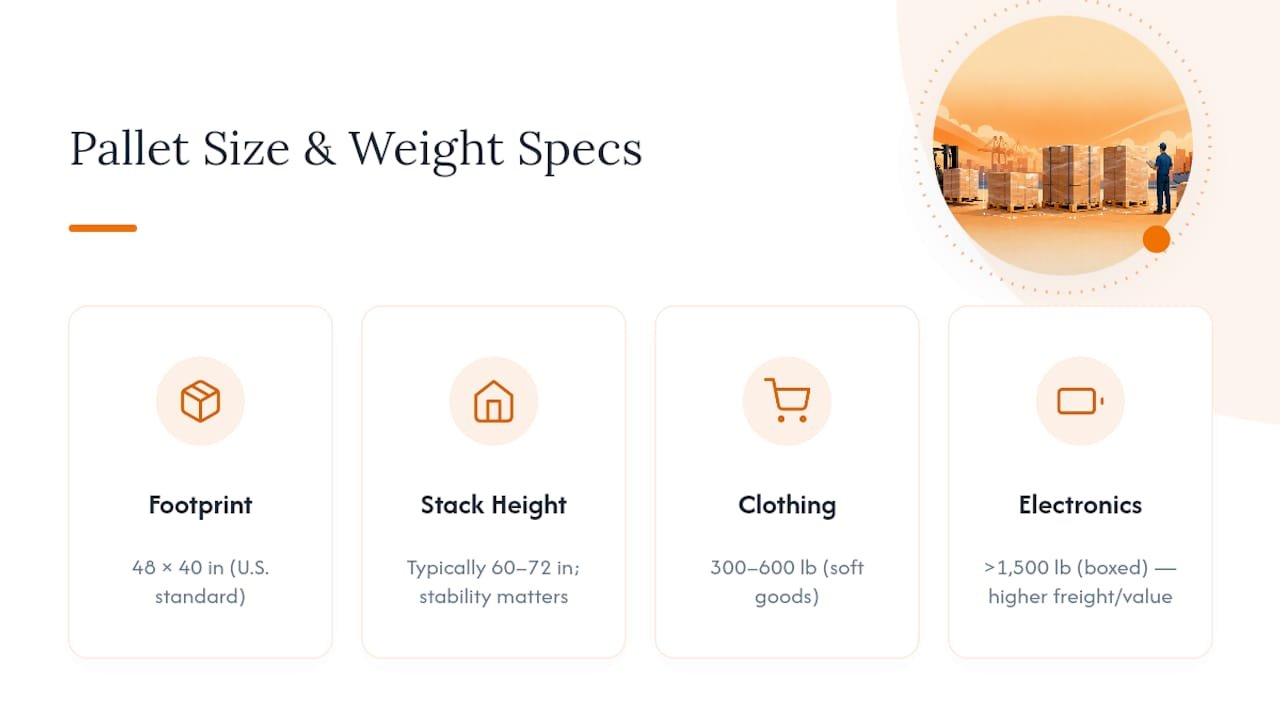
Standard pallets used in liquidation, whether Amazon returns or general merchandise, typically follow the common 48 by 40 inch footprint used throughout U.S. freight logistics. Weight varies enormously by category, and that weight directly affects your freight bill.
A clothing pallet loaded with soft goods might weigh 300 to 600 pounds, while an electronics or appliance pallet stacked with boxed items can push past 1,500 pounds. Heavier pallets cost more to ship, but they also often carry higher resale value per pallet, so weight alone isn’t a reliable shortcut for judging a good deal.
Height matters too. Sellers typically stack pallets to around 60 to 72 inches for stability during transport, though this varies. A pallet stacked unusually high or wrapped loosely might signal rushed handling, which increases the odds of shifted or damaged items inside. When you’re comparing two similarly priced pallets, the one with clear photos showing tight, even stacking is generally the safer bet. Weight and dimensions listed in a manifest also help you estimate freight costs before you commit to a purchase, since most carriers price LTL shipments based on a combination of weight and space occupied in the truck.
How Auction Timing and Bidding Strategies Affect Final Price
Auction-format pallet sales behave a lot like any other online auction: timing and competition drive the final number more than the item itself. Bidding late in an auction window, when other buyers may have already hit their budget ceiling for the week, sometimes nets a lower final price than bidding early and tipping off competitors to your interest.
Weekday auctions, particularly midweek, often see less traffic than weekend listings, since casual buyers browse more on weekends while serious resellers are checking listings throughout the workweek. If you’re trying to keep costs down, watching for auctions that close during less popular windows can work in your favor.
The auction format itself changes your math: the hammer price you see when you win is rarely the final amount, since buyer’s premiums and fees get added afterward. Set your maximum bid using the full landed-cost formula covered earlier, not just the number you’re comfortable typing into the bid box. Bidding wars on manifests with obvious high-value items, like listed electronics or name-brand tools, tend to push prices closer to fair market value fast, so the real bargains usually sit in less glamorous categories that don’t attract a crowd.
Payment Methods and Terms When Purchasing Amazon Pallets
Most liquidation sellers, whether marketplaces or direct liquidators, accept standard payment methods: credit card, debit card, and increasingly, ACH bank transfer for larger orders. Credit cards offer the strongest built-in buyer protection, since disputes go through your card issuer if a pallet never arrives or is grossly misrepresented.
Some sellers require full payment upfront before shipping, which is standard for single-pallet purchases. Larger truckload orders sometimes come with net terms for established business buyers, though that typically requires an existing purchase history with the seller rather than being available on a first order.
Be cautious of any seller asking for payment through untraceable methods like wire transfers to personal accounts, gift cards, or cryptocurrency for a first-time purchase. Legitimate liquidation businesses process payments through standard, traceable channels and provide receipts or invoices as a matter of course. If a seller resists giving you an itemized invoice showing purchase price, buyer’s premium, and freight separately, treat that as a signal to slow down before paying.
Return Policies or Buyer Protections When Buying Pallets
Return policies on liquidation pallets are far more limited than typical retail purchases, and understanding that upfront prevents disappointment later. Because pallets are sold as-is, most sellers do not accept returns based on the condition of individual items inside, since that variability is inherent to the liquidation model itself.
What you should expect instead are protections around accuracy of description. A reputable seller will stand behind the manifest being reasonably accurate. If a pallet arrives with contents wildly different from what was listed, or missing a substantial portion of what the manifest promised, legitimate sellers typically offer a partial refund, credit toward a future order, or in rare cases a full refund.
Before buying, ask directly what happens if the pallet doesn’t match its description. A seller who has a clear, written answer to that question, rather than a vague “all sales final” policy with no exceptions, is generally safer to work with. Photos taken at the time of packing, when available, also serve as a form of protection since they document the pallet’s actual condition before it ships.
Beyond “Reputable”: How to Actually Vet a Pallet Seller
Calling a seller “reputable” means nothing without a way to check it yourself. A few concrete signals separate legitimate liquidators from risky ones.
Start with business transparency: a real liquidator lists a physical address, has been operating long enough to accumulate a review history, and answers questions about sourcing without dodging. Check third-party reviews on independent platforms rather than testimonials the seller controls directly, since those are far easier to curate selectively. Look at how a seller handles disputes publicly. A pattern of buyers reporting inaccurate manifests with no resolution is a bigger warning sign than a single bad review.
Pricing consistency matters too. A seller whose prices track roughly with the ranges covered earlier in this piece, low hundreds for mixed pallets, higher for electronics, is more trustworthy than one advertising prices dramatically below market. Finally, ask how long they’ve sourced pallets from the retailer in question. A liquidator with an established, ongoing sourcing relationship tends to have more consistent manifest accuracy than one flipping inventory from unknown middlemen.
Where Should New Resellers Actually Start?
The conventional advice in this space treats every new buyer as ready for a full truckload of mystery electronics. That’s backwards. Most resellers who burn out in their first month didn’t misjudge the category, they misjudged their own starting budget.
A realistic starting point for someone testing this business is a single manifested mixed pallet in the $200 to $400 range, with enough capital set aside, roughly $1,000 total, to cover freight, fees, and the inevitable percentage of unsellable items. That buffer matters more than the pallet price itself. Buyers who go all in on their first purchase with no cushion for freight surprises or dead stock are the ones who quit after one bad experience, not because the model doesn’t work, but because they never gave it room to work.
Your business model should dictate your category, not the other way around. A flea market vendor moving physical inventory fast has very different acceptable per-item costs than an online reseller listing individually on marketplaces with more time to find the right buyer. Match the pallet type to how you actually sell before chasing the highest theoretical margin. Mega Pallets Liquidation structures its catalog across multiple categories specifically because there’s no single right entry point, only the right one for your setup.
— Nene
Start Sourcing Smarter With Mega Pallets Liquidation
Mega Pallets Liquidation gives you what the auction sites in this guide often don’t: full manifest visibility, transparent fees at checkout, and nationwide shipping built into the order process instead of surprise freight quotes after you’ve already committed.
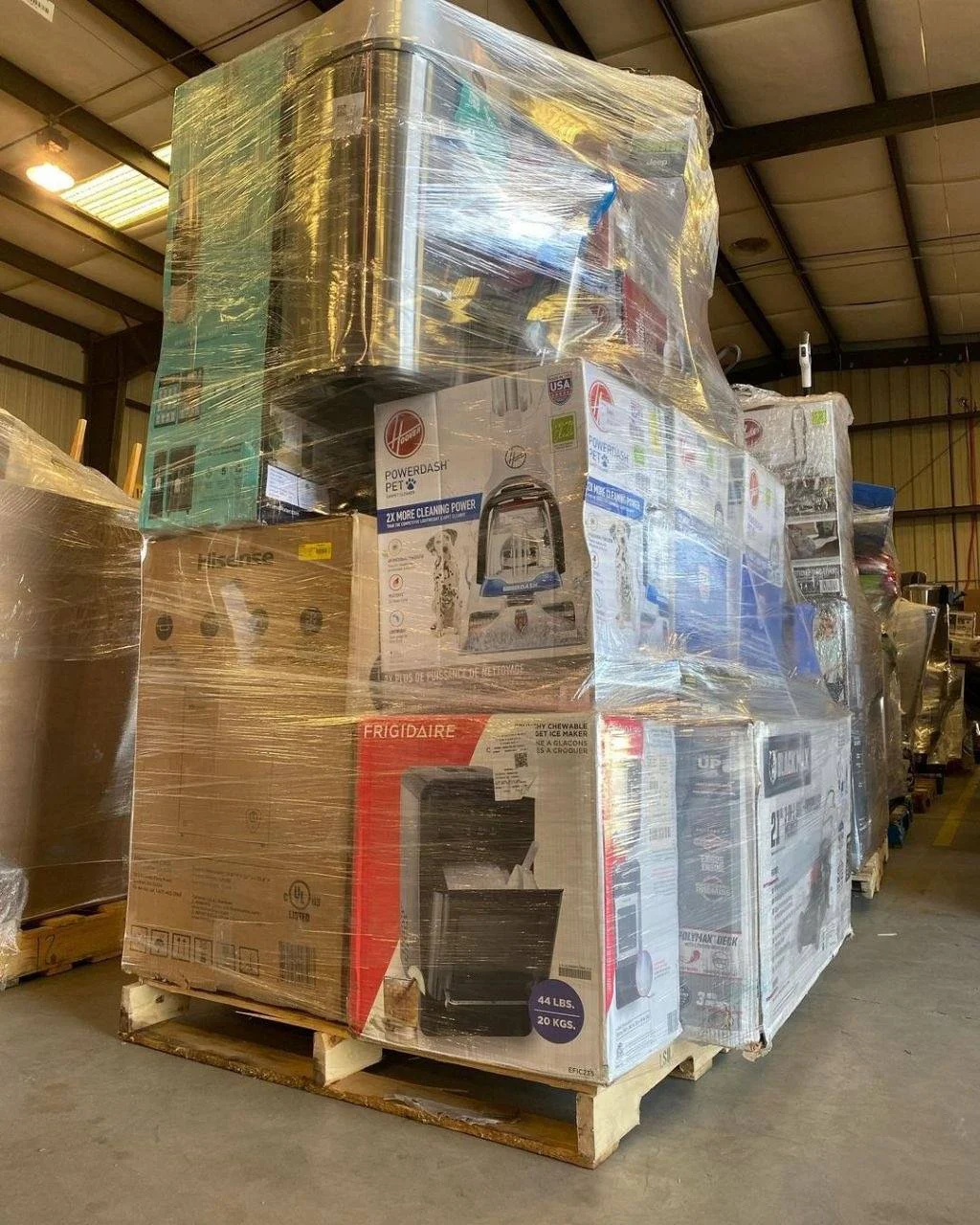
If you’re ready to test the electronics category, the Amazon Electronic Return Pallets – High Value Inventory listings give you a manifest before you buy, not after. New resellers looking for a lower-risk starting point often do better with Amazon Bulk Liquidation Pallets – Wholesale Lots, which spread risk across a broader mix of general merchandise. Apparel-focused sellers can check Amazon Adult Clothing Pallets for predictable per-unit costs and easy grading. Checkout is secure, shipping runs nationwide, and the ordering process walks you through fees upfront so your landed-cost math starts accurate from the first click. Browse the current pallet catalog and place your first order today.
Sources
- Goaura
- Buy Amazon Pallets: Wholesale Liquidation Guide 2026 – CLOSO
- How much does pallet shipping cost? – WeAreWarp
Recommended
- Grocery Pallets Wholesale Mixed : Unbeatable Bulk Food & Household Essentials
- 5 Pallet Resale Mistakes New Resellers Make & How to Avoid Them
- Wholesale General Merchandise Pallets: Unbeatable Resale Value & Variety
- Wholesale Kids Toys Pallets: Unbeatable Brand-New Toy Lots (200 Units) Mixed Holiday Decor & Seasonal Gift Lots