Blog
Pallet Shipping Cost: A U.S. Guide to Rates and Fees

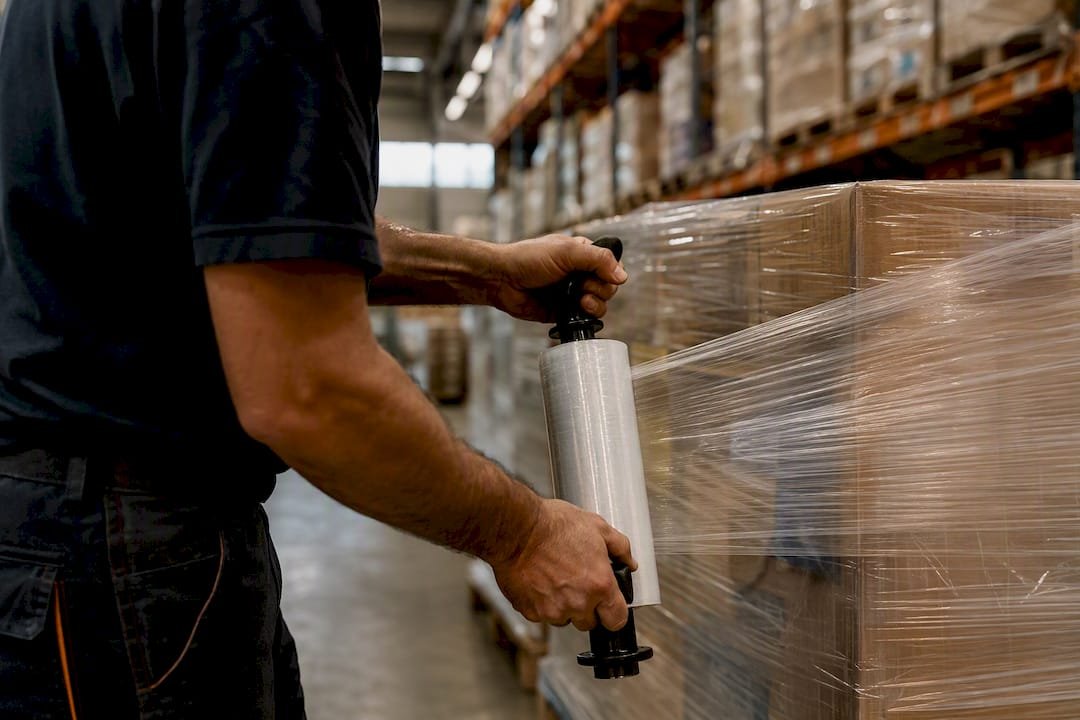
Pallet Shipping Cost is typically around $150 to $300 per pallet for a standard commercial LTL shipment inside the continental U.S. That figure generally covers the base linehaul only. If you’re shipping to a home, farm, or any address without a loading dock, budget separately for residential delivery. Residential surcharges, liftgate service, and appointment fees can add another $250 to $450 depending on the shipment and carrier.
Here’s what drives most of the confusion when calculating Pallet Shipping Cost:
- Carriers quote the linehaul first and accessorials second, sometimes with additional charges appearing separately on the final invoice.
- Liftgate and residential fees are two common charges that can turn a $200 quote into a much higher final bill.
- A quote without an all-in breakdown isn’t a complete picture of your actual Pallet Shipping Cost.
Quick planning number: Standard LTL pallet shipping may run $150–$300 before accessorials. Always ask the carrier or freight broker for a fee-inclusive quote before booking rather than discovering additional charges after delivery.
Key Takeaways
Pallet Shipping Cost in the U.S. depends on three major factors: freight class, accessorials, and shipping mode. Understanding all three can help you estimate your landed cost more accurately, protect your profit margin, and avoid unexpected freight charges.
| Point | Details |
|---|---|
| Base LTL planning range | Budget $150–$300 per pallet for standard commercial LTL before accessorials. |
| Residential delivery adds up | Liftgate, residential, and appointment fees can add $250–$450 to a home delivery. |
| Density sets freight class | Bulky, lightweight pallets cost more per pound than dense, compact ones. |
| Match mode to volume | Use a cargo van for 1 to 3 pallets, LTL for 4 to 12, and FTL past that. |
| Buy from Megapalletsliquidation | Nationwide shipping and clear delivery details support truckload options like the AMZ MEDIUMS Truckload. |
What Determines Pallet Shipping Cost?
Freight carriers don’t price by weight alone. They price by freight class, a number derived from density, and density is what quietly inflates the cost of bulky, lightweight pallets. A pallet of pillows takes up the same trailer space as a pallet of cast iron pans but weighs a fraction as much, so it gets classified as lower density and charged a higher rate per pound. This is the single most misunderstood driver of pallet freight pricing, and it’s why two shipments with identical weight can land on completely different invoices.
Standard U.S. pallets measure the usual 48 by 40 inches, the dimension nearly every carrier’s rate table assumes. Stray from that footprint and you risk an oversize charge. Height matters just as much: most LTL carriers cap stack height around 72 inches, and anything taller usually needs special handling or a shift to full truckload.
Distance and fuel round out the equation. Linehaul cost scales with the shipping zone, and carriers layer a fuel surcharge on top that moves with diesel prices, sometimes changing weekly.
Cost drivers at a glance:
- Density and freight class (NMFC code)
- Pallet footprint versus the 48×40 standard
- Stack height above 72 inches
- Overweight per-pallet thresholds
- Shipping distance and current fuel surcharge
Fast fact: carriers such as FedEx Freight Direct publish exact weight and dimension caps per handling unit, and exceeding them without prior approval triggers extra fees automatically.
How Much Does It Cost to Ship a Pallet?
The honest answer depends on the shipping mode, but the ranges are consistent enough to plan around. Pallet Shipping Cost for a single standard domestic LTL pallet typically runs $150 to $300, assuming a business-to-business dock delivery with no special handling. Add residential delivery and the total can climb significantly once liftgate and appointment fees stack on top.
Full truckload pricing works differently. A dedicated dry van typically runs as a flat rate for the whole trailer, regardless of how many pallets ride inside it. This is why FTL can become the smarter option once you cross a certain volume threshold.
- Single pallet, business address: $150–$300 base linehaul, assuming no accessorials.
- Single pallet, home delivery: $150–$300 base plus potential residential, liftgate, and appointment fees, potentially bringing the total to around $400–$750.
- Ten to twelve pallets, one destination: Per-pallet LTL rates can approach or exceed a flat FTL quote, making full truckload potentially cheaper per unit.
Statistic to remember: As a shipment approaches 10 to 12 pallets, compare the total LTL Pallet Shipping Cost against an FTL quote rather than assuming LTL is automatically cheaper. Accessorials, lane distance, freight class, and total weight can change the break-even point.
Should You Ship LTL, FTL, or Use a Box Truck?
Mode selection is where most shippers either save money or unnecessarily increase their Pallet Shipping Cost. The right answer depends largely on pallet count, distance, destination, and unloading requirements.
- 1 to 3 pallets, local or regional: A cargo van or 26-foot box truck routed directly can sometimes beat LTL, particularly when it avoids freight-class assessment and multiple terminal handling points.
- 4 to 12 pallets: Standard LTL can be economical, although accessorials can significantly increase your Pallet Shipping Cost if they’re not identified before booking.
- 12-plus pallets or a full trailer’s worth of weight: FTL often becomes attractive on a per-pallet basis and can reduce transit time because the truck typically travels point to point without multiple terminal transfers.
LTL freight passes through regional terminals, which can add handling touches, transit days, and potential damage risk with every transfer. FTL generally minimizes these transfers by moving your freight on one truck from pickup to delivery. Some newer platforms also quote all-inclusive per-pallet rates that combine multiple charges into one number, making it easier to compare your total Pallet Shipping Cost across different shipping options.
Pro Tip: If your delivery address has no loading dock, confirm liftgate availability on the vehicle before booking. A cargo van without a liftgate may leave you responsible for unloading heavy freight at the curb.
How Do You Get an Accurate Pallet Shipping Quote?
The gap between a quoted price and the final invoice almost always traces back to missing information at booking. Give the carrier or broker every one of these details up front:
- Exact pallet dimensions and weight for each unit, not an average
- Stack height, especially if it’s near or above 72 inches
- Whether the destination is residential, a business with a dock, or a limited-access site (school, military base, storage facility)
- A working phone number for the receiving contact
- Whether the delivery needs an appointment window or inside placement, not just curbside drop
Brokers who specialize in residential freight point to misclassified destinations and missing accessorial flags as the leading causes of post-delivery billing disputes.
- Use a multi-carrier instant-quote tool for a fast planning range
- Negotiate account-level pricing once you’re shipping regularly
- Always request the accessorial breakdown in writing before pickup
How Can You Lower Your Pallet Freight Costs?
Consolidation is the single biggest lever you control. Accessorial fees like liftgate and residential delivery are often charged per shipment, not per pallet, so combining five pallets into one booking instead of five separate ones spreads that fixed cost across more freight and lowers your per-pallet number substantially.
Packaging discipline matters almost as much. Keep pallets at the standard 48×40 footprint, shrink-wrap tightly, and hold stack height at or under 72 inches to avoid special-handling fees.
- Consolidate multiple orders into one shipment whenever timing allows
- Use standard-size pallets and shrink-wrap to prevent reclassification
- Compare broker rates against all-inclusive per-pallet services
- Ask about volume discounts once you ship more than a few pallets monthly
- Weigh declared value coverage against the added premium; underinsuring a $3,000 pallet to save $20 is a bad trade
Pro Tip: Ask your carrier whether declared value coverage is priced as a flat fee or a percentage of goods value. On high-value electronics pallets, the percentage model can quietly double your accessorial line.
What Shipping Options Does Mega Pallets Liquidation Offer?
Megapalletsliquidation ships pallets nationwide and lays out delivery expectations clearly on its shipping and delivery page, so buyers aren’t guessing about timeframes or fees before they check out.
Shipping cost and complexity shift with the pallet itself. A compact AMZ Premium HPC Pallet typically ships lighter and denser than a full AMZ MEDIUMS Truckload, while an AMZ MEDIUMS Monster Truckload is built for buyers who want maximum volume and are usually better served by FTL pricing than LTL.
- Nationwide shipping across all pallet categories
- Packaging and handling guidance suited to each pallet type
- Resale-focused support to help buyers choose the right pallet for their shipping budget
| Pallet Type | Shipping Consideration |
|---|---|
| AMZ Premium HPC Pallet | Lighter density, often fits standard LTL pricing |
| AMZ MEDIUMS Truckload | Mid-volume load, compare LTL vs. FTL before booking |
| AMZ MEDIUMS Monster Truckload | High volume, typically most economical via FTL |
Does Pallet Type Change Your Shipping Bill?
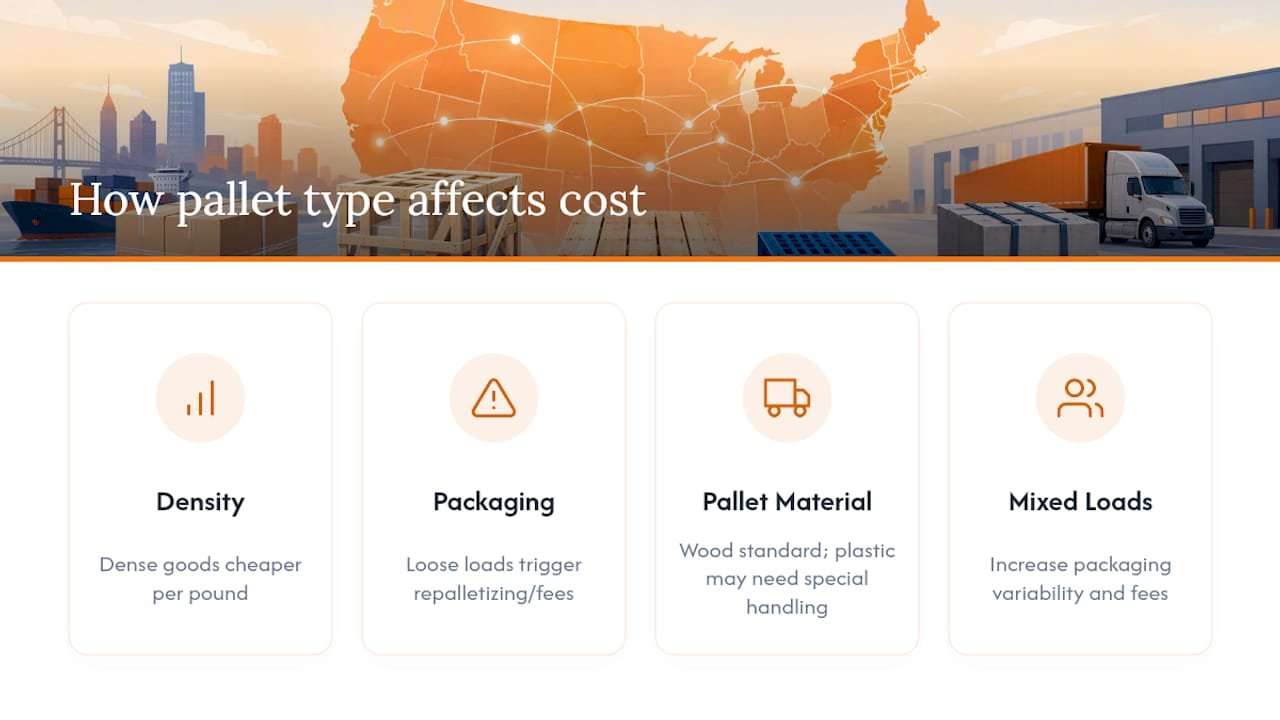
What’s sitting on the pallet matters as much as the pallet itself. Pallet Shipping Cost can vary depending on the type, density, and dimensions of the goods being shipped. Dense, compact goods like tools or cosmetics can ship more efficiently than bulky, low-density items like toys or bedding because freight class considers density, not just total weight.
Packaging materials add their own cost variable. A well-wrapped, banded pallet that holds its shape through transit rarely draws extra scrutiny. A loosely stacked or leaning pallet may get flagged for repalletizing or additional handling, both of which can increase your Pallet Shipping Cost. Wood pallets remain the standard for freight carriers; plastic pallets weigh less but sometimes trigger different handling requirements depending on the carrier’s equipment.
Buyers sourcing general merchandise pallets should expect more packaging variability than buyers sourcing a single product category. Mixed-category pallets often combine different box sizes and weights that affect how tightly the load can be wrapped and stacked. That variability is exactly why standard pallet dimensions and secure shrink-wrap matter when managing Pallet Shipping Cost on mixed loads.
The takeaway for resellers: the type of goods you’re buying, not just the shipping company you choose, can have a direct impact on your Pallet Shipping Cost and what you’ll ultimately pay to get that pallet to your door.
Do Pallet Shipping Rates Change by Season?
Freight rates move with the calendar, and ignoring that pattern is how budgets get blown every fourth quarter. Pallet Shipping Cost typically rises during peak season, roughly October through December, when a surge in e-commerce volume tightens truck capacity nationwide. When capacity tightens, carriers may raise rates, and fuel surcharges can also change alongside diesel prices.
Weather adds a second layer to Pallet Shipping Cost. Winter storms in the Midwest and Northeast can delay linehaul transit and trigger rerouting, which may result in additional charges for storage or redelivery attempts. Summer brings its own pressure in produce-heavy regions, where refrigerated capacity can be pulled from the general freight pool and tighten available space for dry van shipments.
Resellers stocking up for holiday resale season should book shipping earlier than they think necessary. Locking in a carrier or an all-inclusive per-pallet rate in September, before the fourth-quarter crunch hits, can help control Pallet Shipping Cost compared with waiting until November when demand peaks and capacity becomes tighter. The same logic applies in reverse: shipping during slower periods can sometimes produce more competitive quotes as carriers look to fill available trailer space.
Can Shipping More Often Get You a Better Pallet Shipping Cost?
Volume can change your negotiating position more than almost any other factor. A shipper booking one pallet a month has limited leverage. A shipper booking twenty pallets a month across multiple orders has more leverage because carriers and brokers compete for consistent, predictable freight.
Regular volume can open the door to negotiated account rates that sit below published tariff rates occasional shippers may pay. Brokers in particular may value frequency because a reliable weekly shipper is easier to manage than a series of one-off bookings. This is where consolidation and frequency reinforce each other: a reseller who batches purchases into fewer, larger shipments can dilute accessorial costs per pallet while building the shipping history needed to potentially secure better Pallet Shipping Cost over time.
For growing resale businesses, wholesale sourcing strategies are often an overlooked cost lever. Many small operators shop for a new one-time quote every time they order, when asking an existing carrier or broker for a volume-tiered rate after several months of consistent shipping may provide better pricing.
Why Do Carrier Quotes Vary So Much for the Same Pallet?
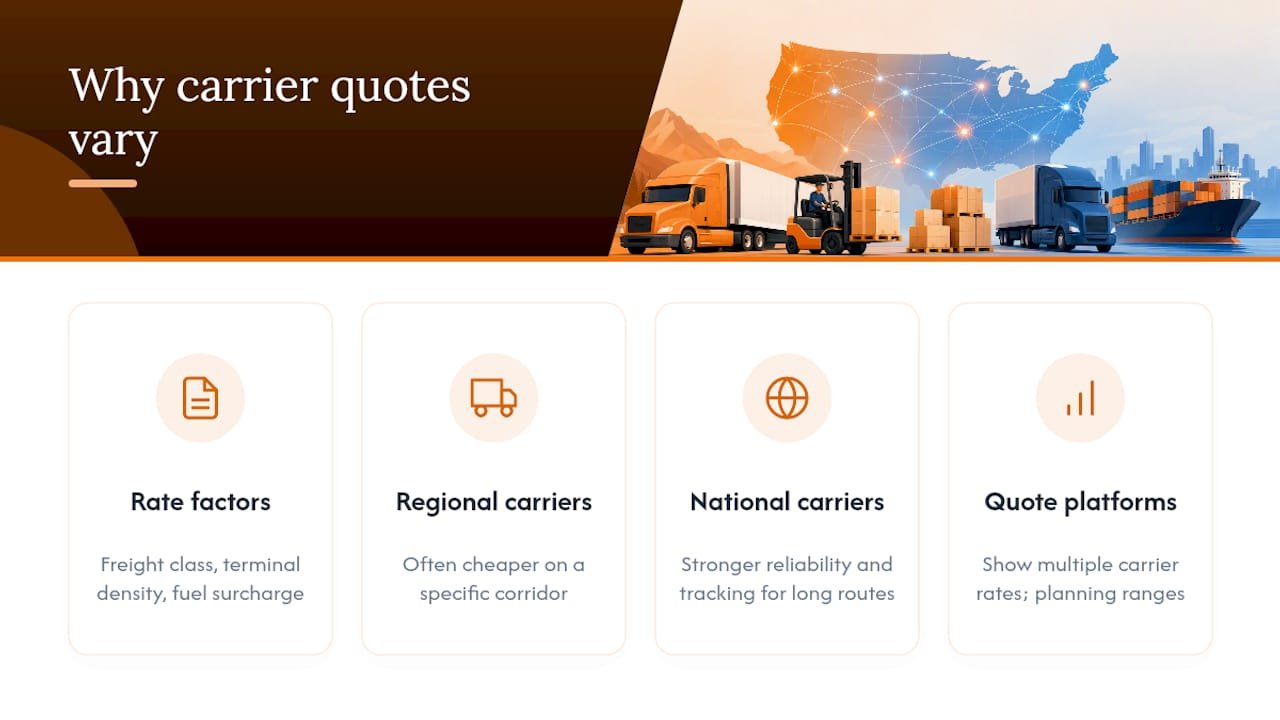
Ask three carriers to quote the identical pallet and you’ll often get three different numbers, sometimes by hundreds of dollars. The variation comes from how each carrier’s rate tables treat freight class, regional terminal density, and current fuel surcharge formulas, none of which are standardized across the industry.
Regional carriers with strong terminal coverage in your specific corridor can sometimes beat national carriers on Pallet Shipping Cost for a particular lane because they aren’t pricing in a broader network you may not need. National carriers, meanwhile, can offer advantages in reliability and tracking visibility for longer or multi-zone routes.
Multi-carrier instant-quote platforms exist largely to solve this comparison problem, returning several carrier rates side by side for the same pallet specifications instead of forcing shippers to contact multiple brokers individually. The catch is that these platforms and estimators still provide planning ranges rather than guaranteed prices; the final number comes back once a carrier reviews your actual dimensions, weight, and destination classification.
The practical move is to compare at least two or three quotes for anything beyond a single occasional pallet. Comparing options can help you find a more competitive Pallet Shipping Cost, while accepting the first number offered is one of the easiest ways for resellers to overpay on freight.
What the Data Actually Tells Shippers to Do Differently
Most guidance on pallet freight treats the base linehaul number as the whole story, and that’s the biggest blind spot in this industry. The real cost of shipping a pallet lives in the accessorials, not the rate table, and carriers price those add-ons as separate tariff items precisely because shippers rarely negotiate them.
The conventional advice, get three quotes and pick the cheapest, isn’t wrong, but it’s incomplete. A cheap quote missing a residential flag or an inside-delivery note isn’t actually cheap; it’s a bill waiting to happen. The shippers who consistently pay less aren’t the ones chasing the lowest linehaul number. They’re the ones who disclose every accessorial need at booking and use estimators as a planning floor, not a final answer.
If you’re a reseller buying pallets regularly, prioritize consolidation and quote frequency over hunting for a marginally lower per-pallet rate on a single order. That’s where the real, repeatable savings sit.
— Nene
Ready to Buy Pallets With Shipping You Can Actually Plan For?
Megapalletsliquidation gives resellers something most liquidation sources don’t: upfront shipping clarity paired with inventory you can actually price out before you commit. Nationwide shipping options apply across every pallet category, so the packaging and freight guidance in this article maps directly onto what you’ll see at checkout.
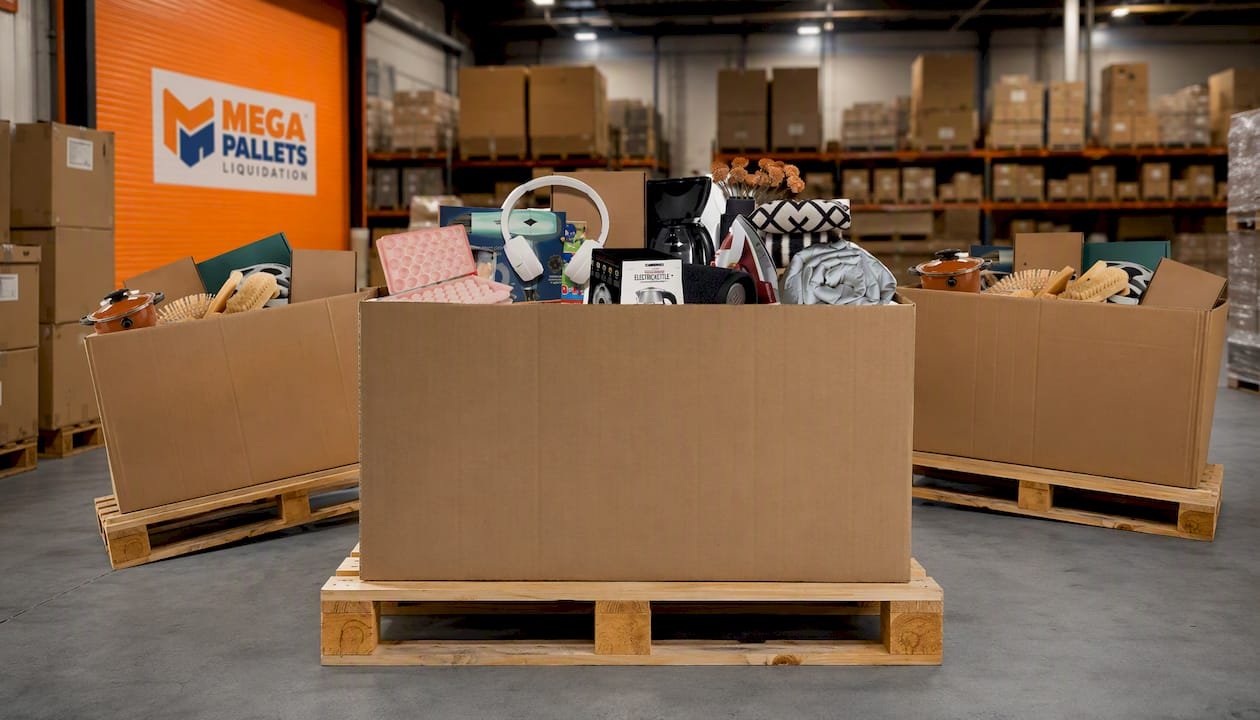
If you’re weighing LTL against a full truckload for your next order, the AMZ MEDIUMS Truckload is built for exactly that volume decision, and buyers moving serious quantity should compare it against the AMZ MEDIUMS Monster Truckload before booking freight. Browse the current lots in the pallet shop, check the shipping and delivery details for your state, and place your order with the freight numbers already worked out.
Sources
- Pallet Shipping | FreightCenter
- Residential freight delivery (Freightright)
- Pallet Shipping Cost Estimator 2026 — LTL, FTL & Accessorial Cost Planning
- Pallet Shipping Quote: From $94 a Pallet, No Signup | Warp